
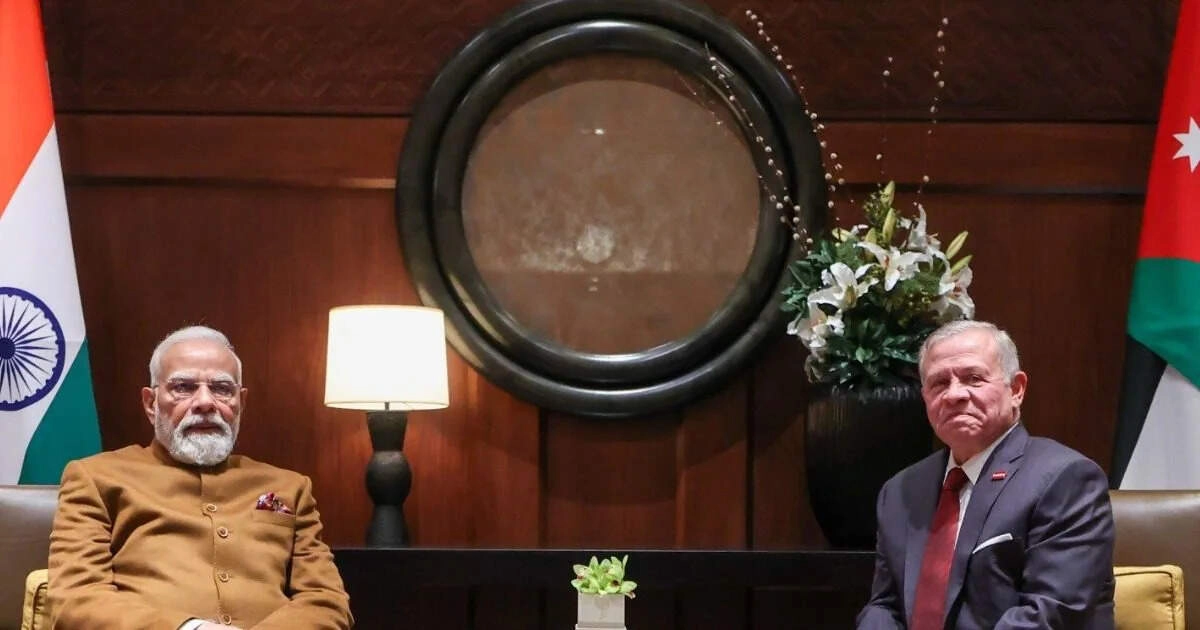
India’s diplomatic maneuvering in the Middle East has recently garnered attention, particularly with Prime Minister Narendra Modi’s meeting with King Abdullah of Jordan. This strategic encounter is seen as a significant step in strengthening bilateral relations between India and Jordan, while also sending a clear and firm message to Pakistan from Amman. The meeting underscores India’s commitment to fostering strong ties with Middle Eastern nations, which are pivotal for regional stability and economic collaboration.
During the discussions, PM Modi and King Abdullah likely addressed various pressing issues, including security, trade, and cultural exchanges, which are crucial for both countries. India has been actively engaging with Middle Eastern nations to enhance its influence and security partnerships in a region that is often marked by geopolitical tensions. By aligning with Jordan, a moderate Arab nation, India is positioning itself as a key player in Middle Eastern diplomacy, promoting peace and cooperation among nations.
Furthermore, this meeting serves a dual purpose. It not only strengthens India’s relationship with Jordan but also acts as a warning to Pakistan regarding its actions in the region. The message from Amman is clear: India will not tolerate any threats to its national security, and it is willing to collaborate with its allies to ensure stability. This diplomatic effort showcases India’s proactive approach to addressing regional challenges and reinforces its role as a responsible power on the global stage.
In conclusion, Prime Minister Modi’s engagement with King Abdullah is a masterstroke in Indian diplomacy, reflecting a nuanced understanding of the complexities in the Middle East. As India continues to deepen its ties with Jordan and other Arab nations, it is poised to enhance its strategic interests while promoting peace and cooperation. This approach not only benefits India’s foreign policy but also contributes to a more stable and prosperous region.


