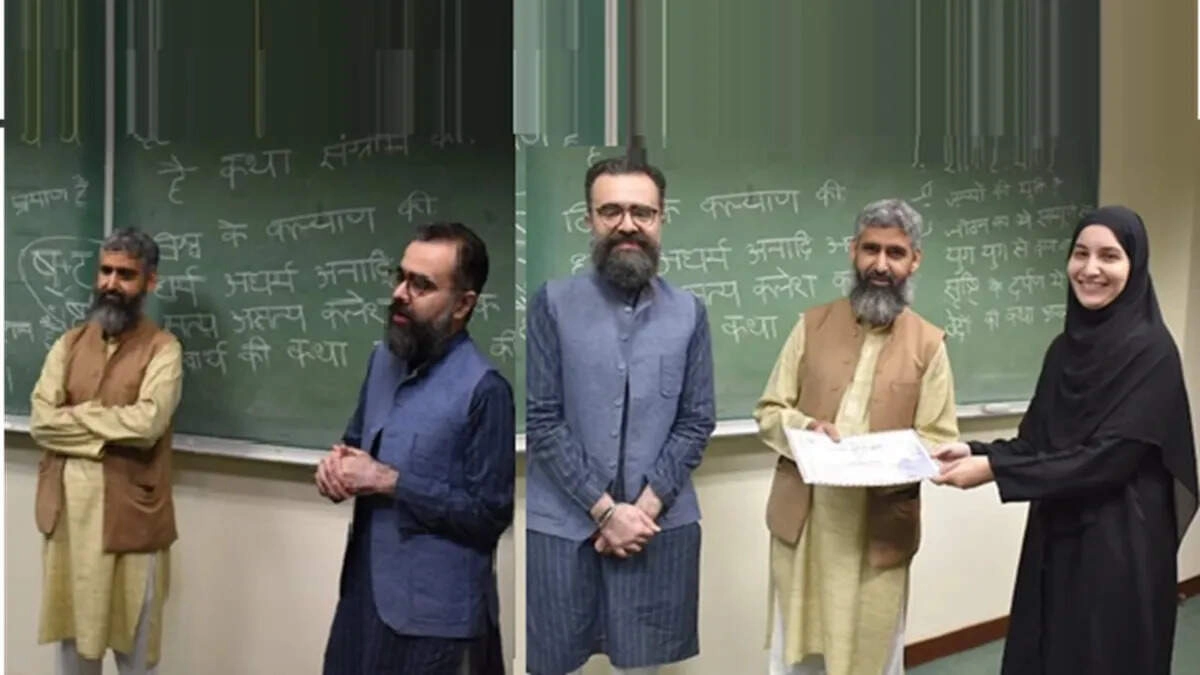
In a historic move, Pakistan is set to introduce the teachings of the Bhagavad Gita and the Mahabharata in schools for the first time. This decision marks a significant cultural shift, reflecting a growing recognition of the importance of diverse narratives in education. The introduction of these ancient texts is part of a broader initiative to incorporate various philosophical and spiritual perspectives into the curriculum, promoting a more inclusive educational environment.
To facilitate this change, a Sanskrit language course has also been launched, enabling students to learn the language of these texts. Sanskrit, one of the oldest languages in the world, holds a profound significance in Indian culture and literature. By learning Sanskrit, students will not only gain access to the original scriptures but also develop a deeper understanding of the cultural and historical contexts in which these texts were written. This initiative aims to foster a sense of appreciation for the rich literary heritage shared between the two neighboring countries.
The inclusion of the Gita and Mahabharata in the curriculum is expected to encourage discussions around ethics, philosophy, and morality among students. These texts offer timeless wisdom and insights into human nature, duty, and righteousness, which are relevant to learners of all backgrounds. By studying these epics, students will have the opportunity to explore themes of conflict, resolution, and the complexities of life, thus broadening their intellectual horizons.
This educational reform is not only a step towards promoting cultural understanding but also a means to bridge divides and foster mutual respect between different communities. It underscores the importance of dialogue and learning from one another’s traditions and philosophies. As Pakistan embarks on this new educational journey, it sets a precedent for embracing diversity and enhancing the richness of its academic landscape.