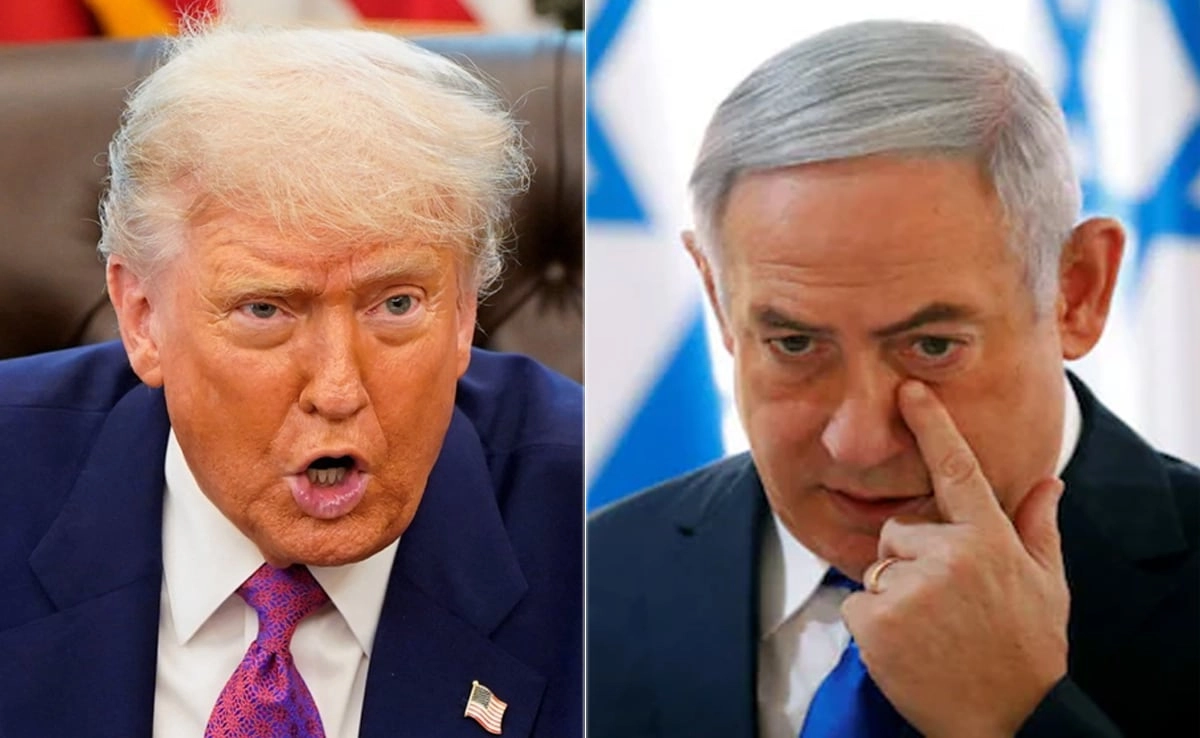
Recent reports have surfaced indicating that Israeli Prime Minister Benjamin Netanyahu had been contemplating a military strike against Iran for several months prior to the involvement of former President Donald Trump. This revelation sheds light on the strategic considerations that have been fueling tensions in the Middle East, particularly regarding Iran’s nuclear ambitions. Netanyahu’s administration has consistently viewed Iran as a significant threat, citing concerns over its nuclear program and regional influence. The intent to strike appears to have been part of a broader strategy to curb Iran’s capabilities before they could reach a point of no return.
The timeline of Netanyahu’s planning suggests a deliberate approach to confronting Iran, indicating that discussions and potential military options were being evaluated long before Trump took office. The involvement of the Trump administration, particularly through its staunch support for Israel and its withdrawal from the Iran nuclear deal, provided Netanyahu with a more favorable political landscape to pursue these aggressive strategies. This collaboration between the Israeli and U.S. leadership underscored a shared goal of countering Iranian influence in the region, but it also raised questions about the implications of such military actions for regional stability.
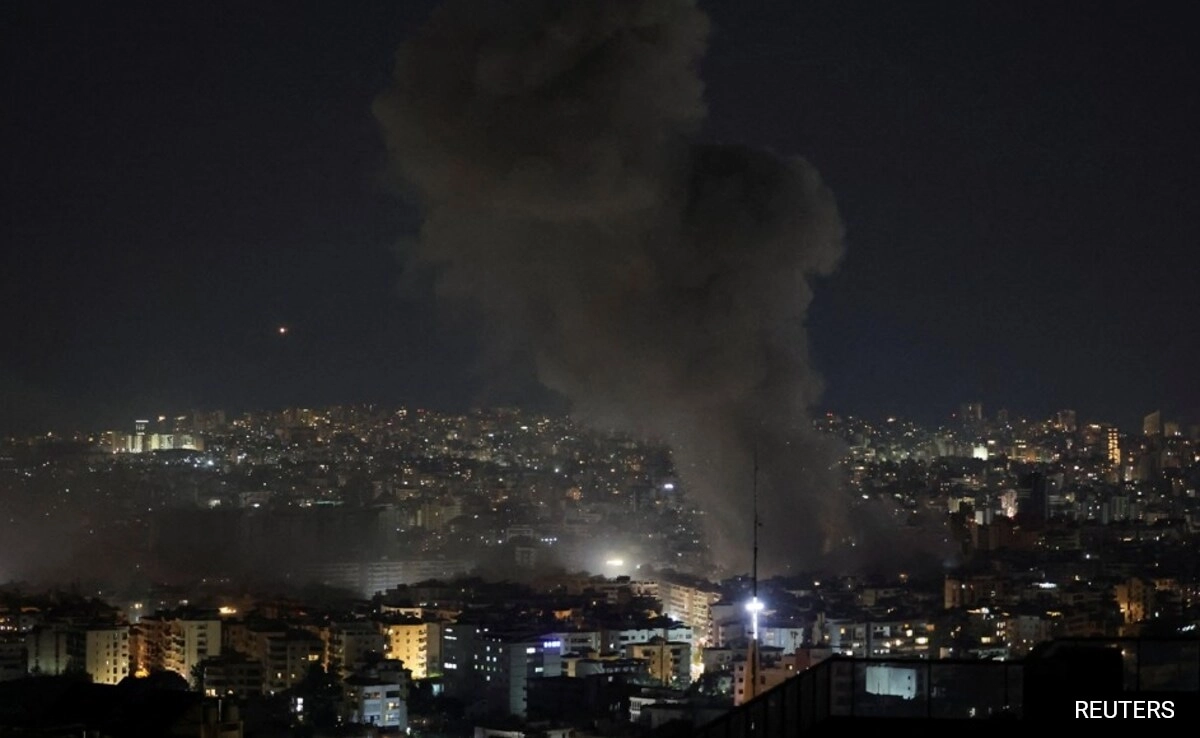
Furthermore, the implications of a potential strike against Iran are profound, not only for Israel and Iran but also for the entire Middle East. A military intervention could lead to severe repercussions, including retaliatory actions from Iran and its proxies, which could destabilize neighboring countries and escalate conflicts. The regional powers would likely react to such a move, complicating an already volatile situation. As Netanyahu’s plans come to light, the international community is left to grapple with the potential consequences of an Israeli strike on Iran, raising concerns about the balance of power in the region and the effectiveness of diplomatic solutions.
In conclusion, Netanyahu’s preemptive planning for a strike against Iran illustrates the complex interplay of national security interests and geopolitical dynamics in the Middle East. The collaboration with the Trump administration was pivotal in shaping the narrative around Iran, but it also underscores the precarious nature of military interventions. As the situation continues to evolve, the focus remains on finding pathways to de-escalation and ensuring that diplomatic channels remain open to prevent a potentially catastrophic conflict.