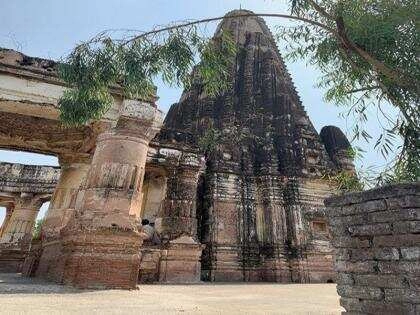
The state of religious heritage in Pakistan has become a matter of grave concern, with reports indicating that around 1,763 temples, gurdwaras, and other places of worship are falling into disrepair. This alarming trend raises questions about the lack of maintenance and care for these significant historical sites, which represent not only the spiritual beliefs of various communities but also the rich cultural tapestry of the region. The neglect of these heritage sites reflects a broader issue regarding the preservation of minority cultures and their histories in a country where the majority population adheres to a single faith.
The deterioration of these religious sites can be attributed to several factors, including political instability, social neglect, and a lack of financial resources allocated for their upkeep. Many of these structures, once vibrant centers of religious and community life, now stand as silent testimonies to the past, facing threats from natural elements as well as human indifference. The absence of a robust policy for heritage conservation further exacerbates the issue, leaving these invaluable sites vulnerable to decay and destruction.
Moreover, the lack of awareness and appreciation for the diverse religious heritage of Pakistan contributes to this crisis. Many citizens remain unaware of the historical significance of these places, which has led to a general disregard for their preservation. Efforts to restore and maintain these structures are often minimal or non-existent, pointing to a systemic failure to recognize the importance of cultural diversity. The government, along with civil society organizations, must prioritize the protection of these religious sites to ensure that the rich heritage of all communities is preserved for future generations. The restoration of these temples and gurdwaras is not merely an act of maintenance; it is a crucial step towards fostering understanding and respect among different religious groups within the nation.