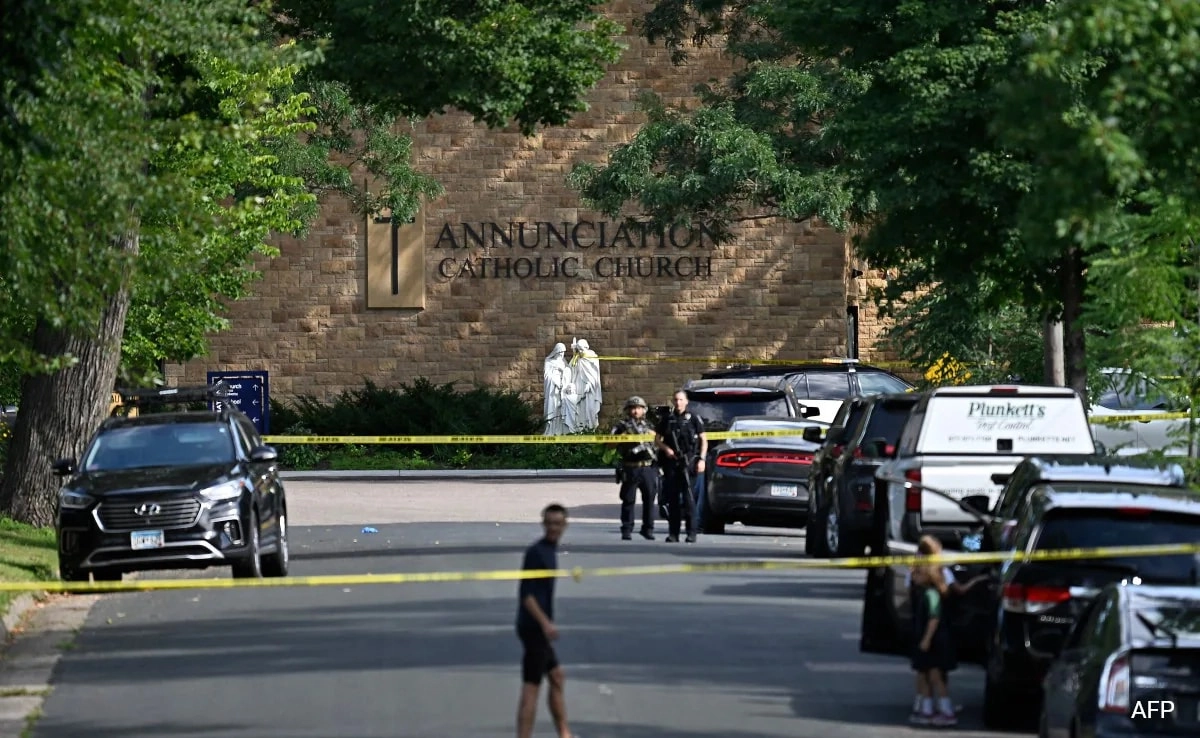
In a chilling revelation, authorities have disclosed that the shooter involved in a recent incident in Minneapolis exhibited an alarming obsession with the idea of killing children. This disturbing fascination raises serious concerns about the motivations and mental state of individuals who commit acts of violence, particularly against vulnerable populations such as children. As investigations unfold, it becomes imperative to understand the psychological underpinnings that drive such extreme behaviors. This case serves as a stark reminder of the urgent need for comprehensive mental health support and societal awareness regarding the signs of potential violence.
Witnesses and investigators have reported that the shooter had expressed troubling thoughts and fantasies prior to the attack. Friends and family members are often shocked to learn that someone they know has been harboring such violent ideations, highlighting the complexities of recognizing warning signs in individuals who may seem otherwise functional. Mental health professionals stress the importance of early intervention and open communication, suggesting that communities must work together to foster environments where individuals feel safe to express their struggles and seek help.
The ramifications of this tragic incident extend beyond the immediate victims and their families; they ripple through the community and raise broader questions about safety, prevention, and the societal obligation to protect children. Discussions around gun control, mental health resources, and community vigilance are reignited in the wake of such events. It is crucial for policymakers and community leaders to address these interconnected issues to create a safer environment for all, particularly for the most vulnerable members of society. As the investigation into the shooter’s background continues, it is hoped that insights gleaned from this tragedy will inform future strategies to prevent similar incidents and protect children from harm.
In conclusion, the Minneapolis shooting highlights the urgent need for collective action to address the underlying factors contributing to violence. Whether through enhancing mental health services, promoting awareness of warning signs, or fostering community engagement, there is a clear mandate for society to come together and work towards solutions. The safety of our children depends on our ability to recognize and respond to the complexities of mental health and violence, ensuring that no one feels isolated or compelled to act on harmful thoughts.