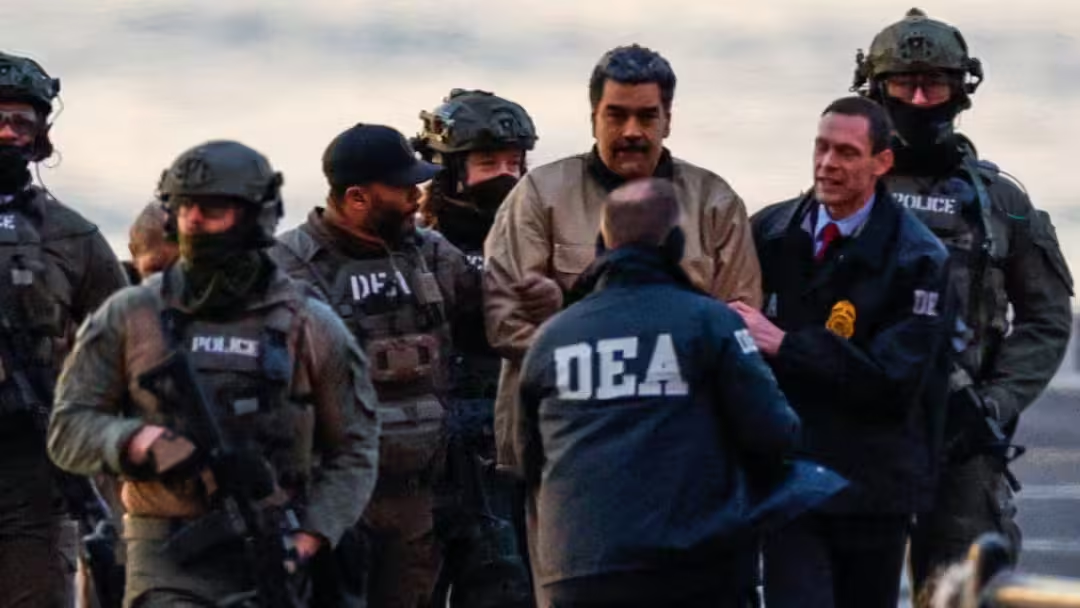
In a significant statement regarding the narco-terrorism case against him, Venezuelan President Nicolás Maduro asserted his innocence in a U.S. court. He emphasized, “I am innocent, and I am still the President of Venezuela.” This declaration comes amidst ongoing legal battles and heightened scrutiny over allegations that involve drug trafficking and connections to terrorist organizations. Maduro’s remarks underline his determination to maintain his position and assert his legitimacy in the face of serious accusations.
The case has drawn international attention, with implications not only for Venezuela but also for U.S.-Latin America relations. Maduro’s administration has consistently denied the charges, claiming they are politically motivated attempts to undermine his government. The president’s assertion of his innocence reflects a broader narrative of resistance against foreign intervention and interference in Venezuela’s domestic affairs. His statement in court is a strategic move to rally support both domestically and internationally, as he seeks to portray himself as a victim of external aggression.
As the legal proceedings unfold, the implications for Venezuela’s political landscape and Maduro’s leadership remain significant. The situation poses challenges for the Venezuelan government, which is already grappling with economic difficulties and political dissent. Maduro’s claims aim to solidify his standing among supporters and discourage opposition movements that seek to capitalize on the legal troubles he faces. The outcome of this case could ultimately shape the future of Venezuela and its leadership dynamics, highlighting the intertwining of law, politics, and international relations in this complex scenario.