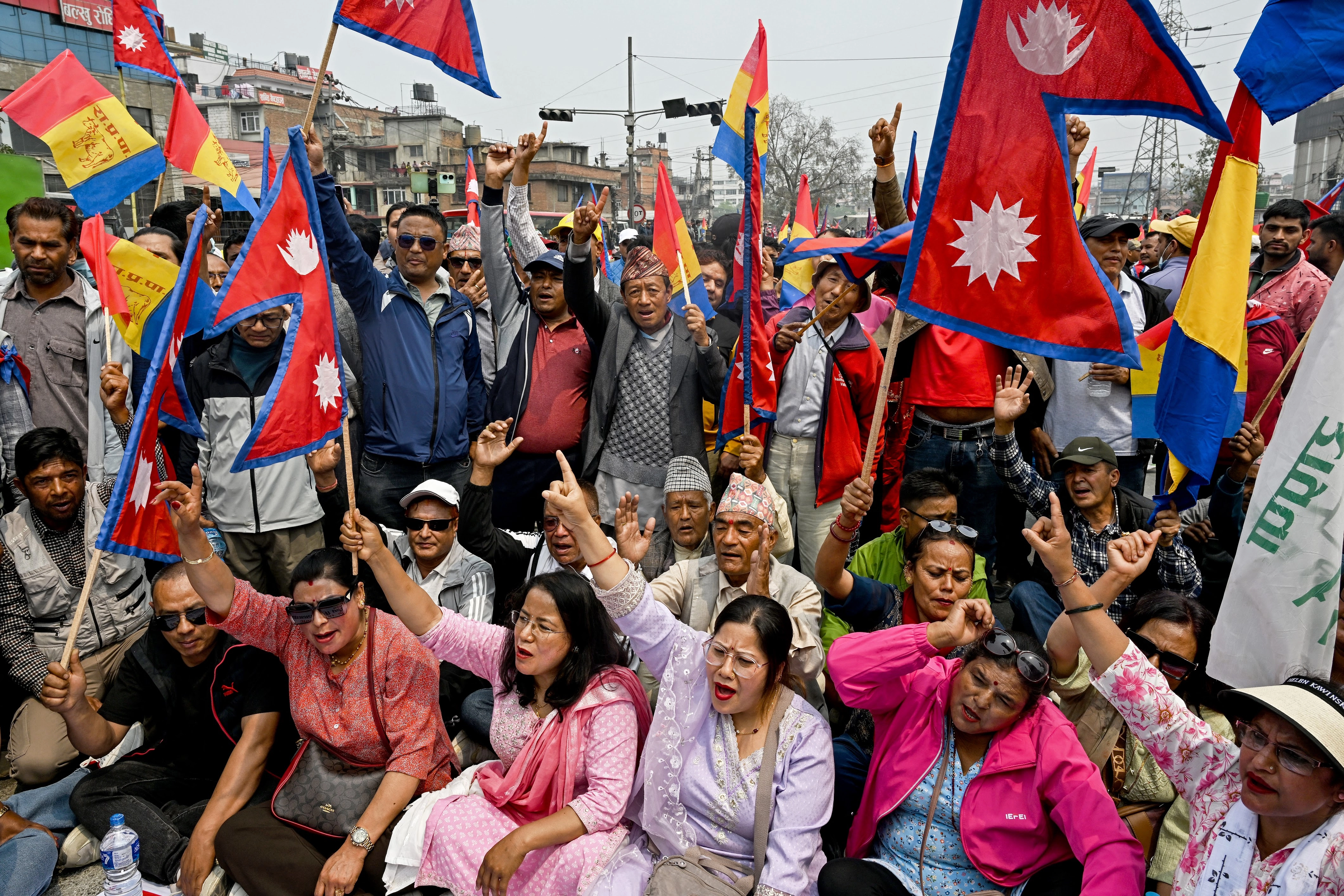
In a significant development related to the ongoing pro-monarchy protests in Nepal, authorities have arrested a key accused from Assam, India. This arrest has drawn attention to the cross-border implications of political movements in South Asia. The individual, whose identity has not been disclosed, is alleged to have played a crucial role in organizing and inciting the demonstrations that have taken place in various parts of Nepal. These protests reflect a growing discontent among certain segments of the Nepali population who are advocating for the restoration of the monarchy, which was abolished in 2008 when Nepal became a federal democratic republic.
The protests have highlighted deep-seated divisions within Nepali society regarding the monarchy’s role in the country’s governance. Supporters of the monarchy argue that a royal figurehead could provide stability and unity in a nation still grappling with political fragmentation. In contrast, opponents of the monarchy contend that it represents a regressive step away from democratic ideals and a return to autocratic rule. The arrest of the accused in Assam underscores the interconnected nature of political dissent in the region, as well as the complexities of law enforcement when political activism crosses national borders.
As the situation unfolds, the implications for both Nepal and India remain significant. The Nepalese government has intensified its efforts to clamp down on what it perceives as anti-democratic movements, while Indian authorities are navigating the delicate balance of managing regional security and diplomatic relations. Furthermore, this incident raises questions about the effectiveness of cross-border cooperation in dealing with political unrest and the potential for further unrest in Nepal, especially if the grievances of pro-monarchy supporters are not addressed. The unfolding events will likely continue to draw scrutiny from both local and international observers, as they analyze the broader implications for democracy and governance in Nepal and the surrounding region.