In a recent conversation that has drawn attention, JD Vance, the Ohio senator, engaged in a notable dialogue with Ukrainian President Volodymyr Zelensky. This interaction took place just before Vance’s anticipated meeting with former President Donald Trump. The context of their chat revolved around the ongoing conflict in Ukraine and the geopolitical implications of U.S. support for the country. Vance, who has been vocal about his views on foreign aid and U.S. involvement abroad, expressed his concerns regarding the sustainability and direction of American support for Ukraine.
During the “icebreaker” chat, Vance’s approach was characterized by a blend of diplomacy and pragmatism. He acknowledged the critical situation in Ukraine but also emphasized the need for a more strategic approach to U.S. foreign policy. This conversation is particularly significant given the polarized views within American politics regarding military aid to Ukraine. By engaging with Zelensky, Vance attempted to bridge the gap between differing perspectives on how the U.S. should proceed in supporting Ukraine while also addressing domestic concerns about fiscal responsibility and prioritizing American interests.
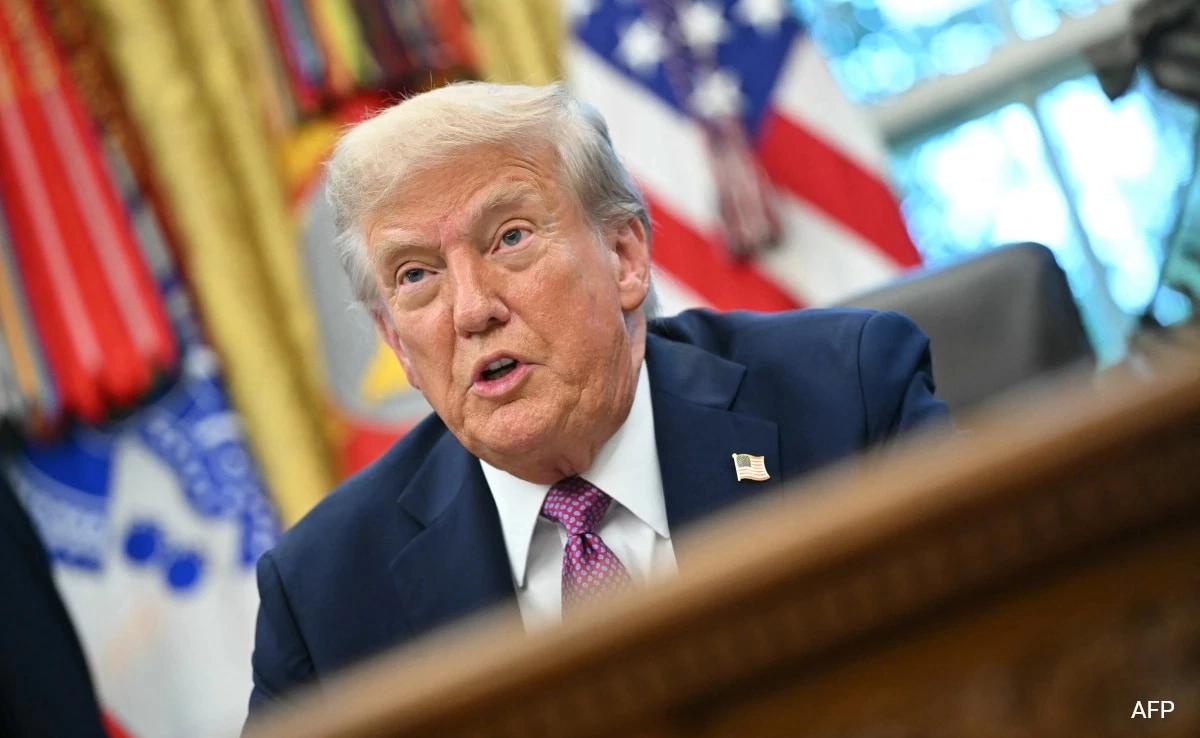
Vance’s meeting with Trump following his discussion with Zelensky further underscores the complicated dynamics at play. Trump has been known for his skeptical stance on ongoing military assistance to Ukraine, advocating for a more isolationist approach. This juxtaposition raises questions about the future direction of U.S. policy in the region and the potential impact of Vance’s views on Trump’s perspective. As the situation in Ukraine continues to evolve, the dialogue between lawmakers and foreign leaders becomes increasingly crucial in shaping not only immediate responses but also long-term strategic frameworks.
Ultimately, Vance’s conversation with Zelensky highlights the intricate balancing act that U.S. politicians must navigate when addressing foreign conflicts. It reflects broader discussions about the implications of foreign aid, national security, and the responsibilities of the U.S. on the world stage. As these discussions progress, the outcomes will undoubtedly influence both international relations and the political landscape within the United States, especially as key figures like Trump and Vance engage in shaping the narrative surrounding American involvement in global affairs.