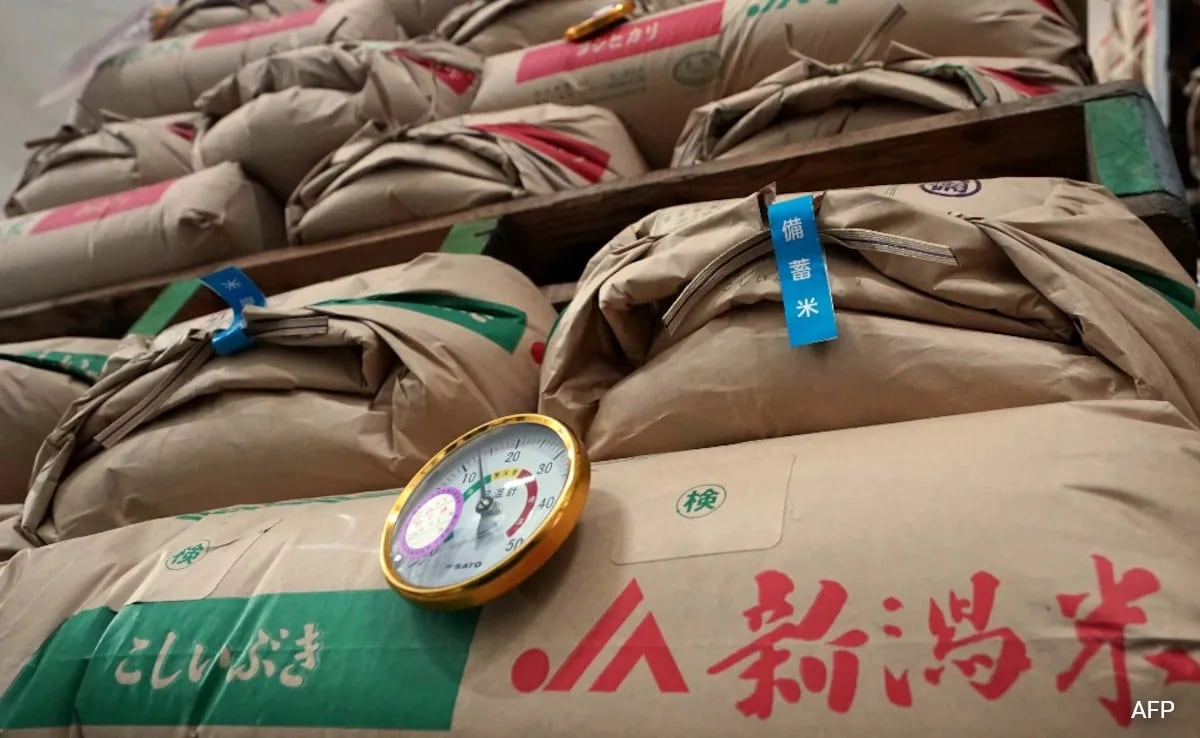
Japan is currently grappling with a significant rice crisis that has sent prices soaring while supplies dwindle, leading to widespread concern among consumers and the government alike. The situation has escalated to such a degree that it compelled the resignation of a minister, highlighting the urgency and gravity of the issue. Rice, a staple in Japanese cuisine and culture, is not just a dietary necessity but also a symbol of national identity. The rising costs and dwindling supplies threaten to disrupt the traditional consumption patterns and could have far-reaching implications for the Japanese economy and society.
The factors contributing to this crisis are multifaceted. Weather inconsistencies, including irregular rainfall and extreme temperatures, have adversely affected rice production in the country. Additionally, the global supply chain disruptions stemming from recent geopolitical tensions and the lingering effects of the COVID-19 pandemic have exacerbated the situation. Farmers are struggling to meet consumer demand, leading to a sharp increase in prices, which has raised concerns about food security. The rising costs are particularly hard-hitting for lower-income families, who rely heavily on rice as a primary source of nutrition.
In response to the crisis, the Japanese government has initiated measures to stabilize the rice market, including potential import increases and subsidies for local farmers. However, these efforts come at a time when public trust in the government is already shaky, and the resignation of the minister has further fueled dissatisfaction among the populace. Critics argue that the government has been slow to respond to the crisis, raising questions about its ability to effectively manage food security in an increasingly volatile global environment. The situation has sparked debates about the future of agriculture in Japan and whether more sustainable practices should be adopted to mitigate such crises in the future.
As the crisis unfolds, the impact on consumer behavior remains to be seen. Many households are already adjusting their diets in response to rising prices, seeking alternatives to rice. This shift could have lasting effects on Japanese cuisine and dietary habits. The government faces a critical challenge in navigating this crisis while addressing the underlying issues of agricultural sustainability and food security. The events surrounding the rice crisis serve as a stark reminder of the delicate balance between supply and demand in a globalized world and the importance of proactive measures to ensure food availability for future generations.