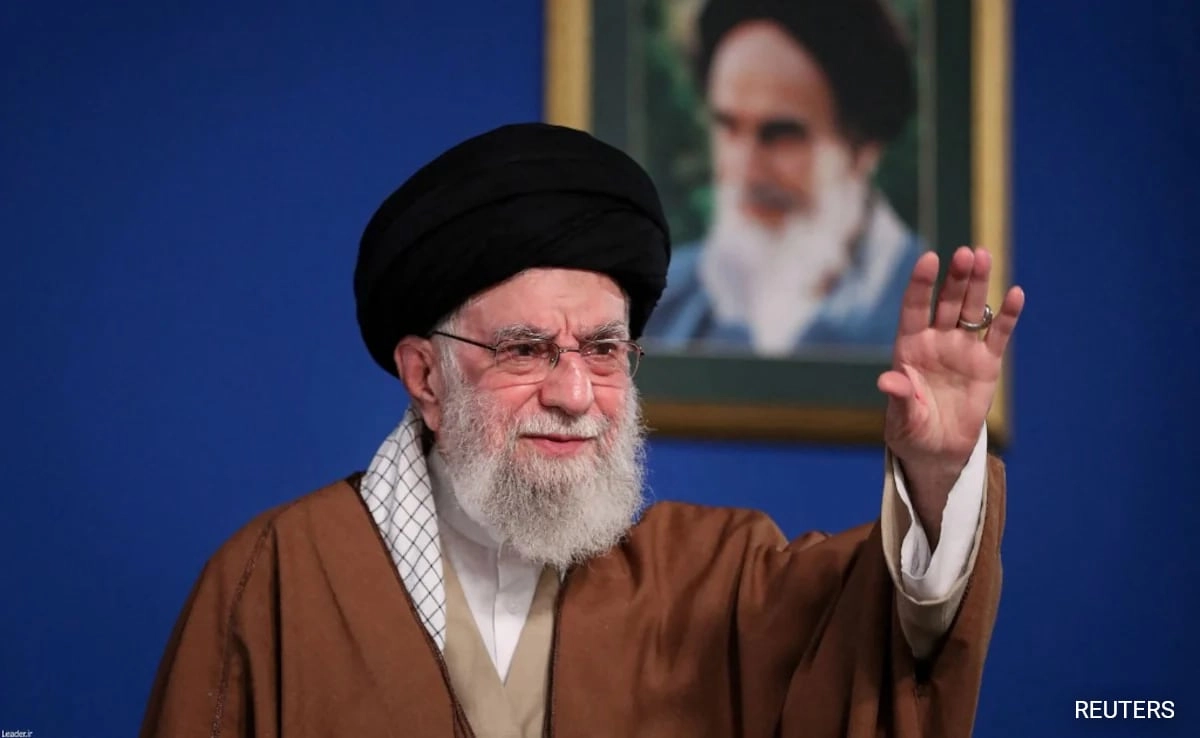
Recent social media activity has brought renewed attention to a series of old posts by Iran’s Supreme Leader, Ayatollah Ali Khamenei, that compare women to flowers. These posts have gone viral, sparking a wide range of reactions from both supporters and critics. The metaphor of women as flowers has been a recurring theme in Khamenei’s rhetoric, where he emphasizes the delicate and nurturing qualities attributed to women. While some interpret these statements as an expression of reverence for femininity, others argue that they reinforce traditional gender roles and limit women’s potential in society.
The resurgence of these posts comes at a time when women in Iran are increasingly vocal about their rights and freedoms, particularly in the wake of protests against oppressive laws. Critics argue that Khamenei’s portrayal of women as flowers is patronizing and undermines the fight for gender equality. They contend that such views perpetuate a culture that values women primarily for their beauty and domestic roles, rather than recognizing their capabilities in various fields such as education, politics, and business. This has led to a broader discourse on women’s rights in Iran, highlighting the tension between traditional values and modern aspirations.
Supporters of Khamenei might argue that his statements are intended to honor and celebrate women’s roles within the family and society. They may view the analogy as a reminder of the beauty and strength inherent in women, suggesting that just as flowers thrive in nurturing environments, women also flourish when supported and respected. However, this perspective is challenged by those who believe that such metaphors can inadvertently reinforce societal constraints that limit women’s opportunities for growth and self-expression.
As discussions surrounding gender equality continue to gain momentum in Iran, the viral nature of Khamenei’s old posts serves as a reminder of the ongoing struggle for women’s rights. The juxtaposition of traditional views and contemporary demands for equality highlights the complexities of gender discourse in Iranian society. Ultimately, the conversation surrounding these posts reflects a larger cultural and political battle over the role of women in Iran, as activists push for a future where women are recognized not just as nurturers but as equal participants in all areas of life.