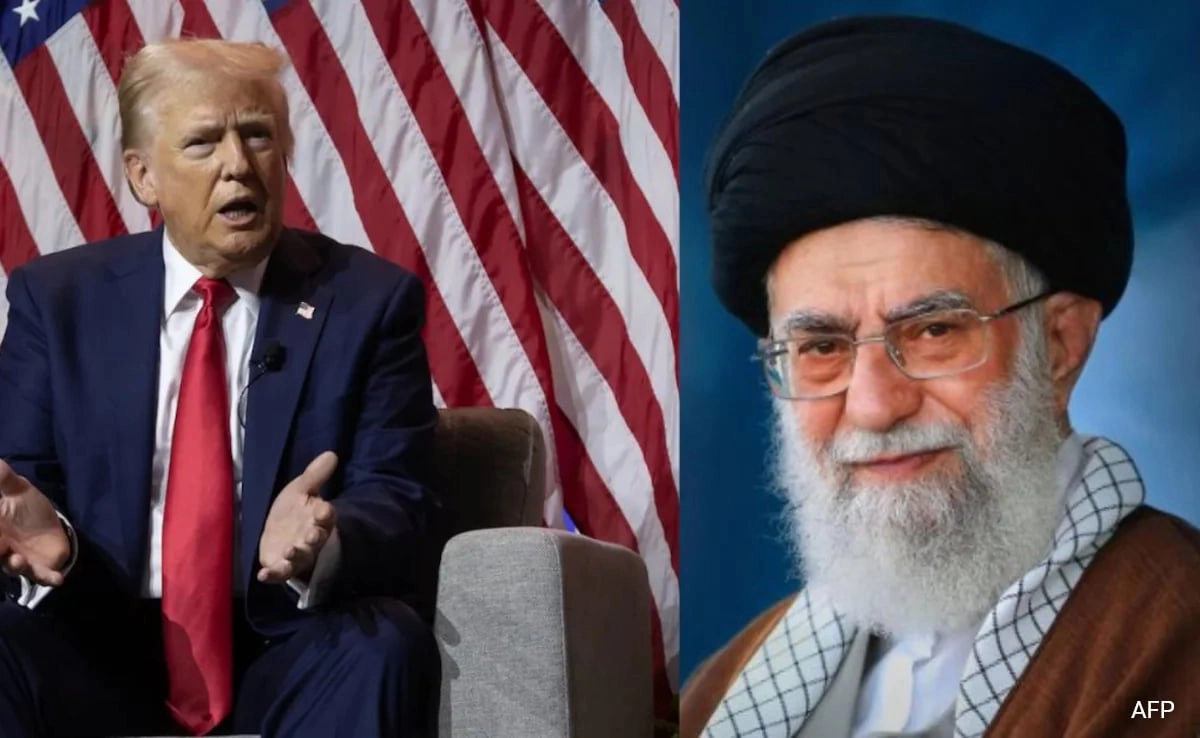
Ayatollah Khamenei’s aide recently announced that Iran is prepared to engage in indirect negotiations with the United States. This statement comes at a crucial time as tensions between the two nations have been high, primarily due to ongoing disputes surrounding Iran’s nuclear program and its broader geopolitical ambitions in the region. The possibility of indirect talks signals a willingness from Iran to explore diplomatic avenues to address these longstanding issues, despite the challenges that have historically plagued US-Iran relations.
The aide emphasized that while Iran is open to dialogue, it will not compromise on its core principles and national interests. This reflects a careful balancing act; Iran seeks to alleviate economic pressures resulting from sanctions while maintaining its sovereignty and regional influence. The Iranian leadership has been clear that any negotiations must respect their demands and acknowledge the complexities of the regional dynamics at play. This readiness for discussions may also be influenced by recent developments in the global political landscape, including shifting alliances and the need for countries to engage in multilateral diplomacy.
Indirect talks could provide a platform for both nations to address critical issues without the direct confrontation that often characterizes their interactions. For the United States, these discussions may be an opportunity to reaffirm its commitment to diplomatic solutions while also engaging allies and partners in the region. For Iran, it may serve as a means to regain some semblance of normalcy in its international relations and ease the economic hardships imposed by sanctions. However, the path to successful negotiations is fraught with challenges, as both sides must navigate a complex web of historical grievances and present-day realities. Ultimately, the willingness to engage in indirect talks reflects a cautious optimism that diplomacy could pave the way for a more stable and constructive relationship between Iran and the US.