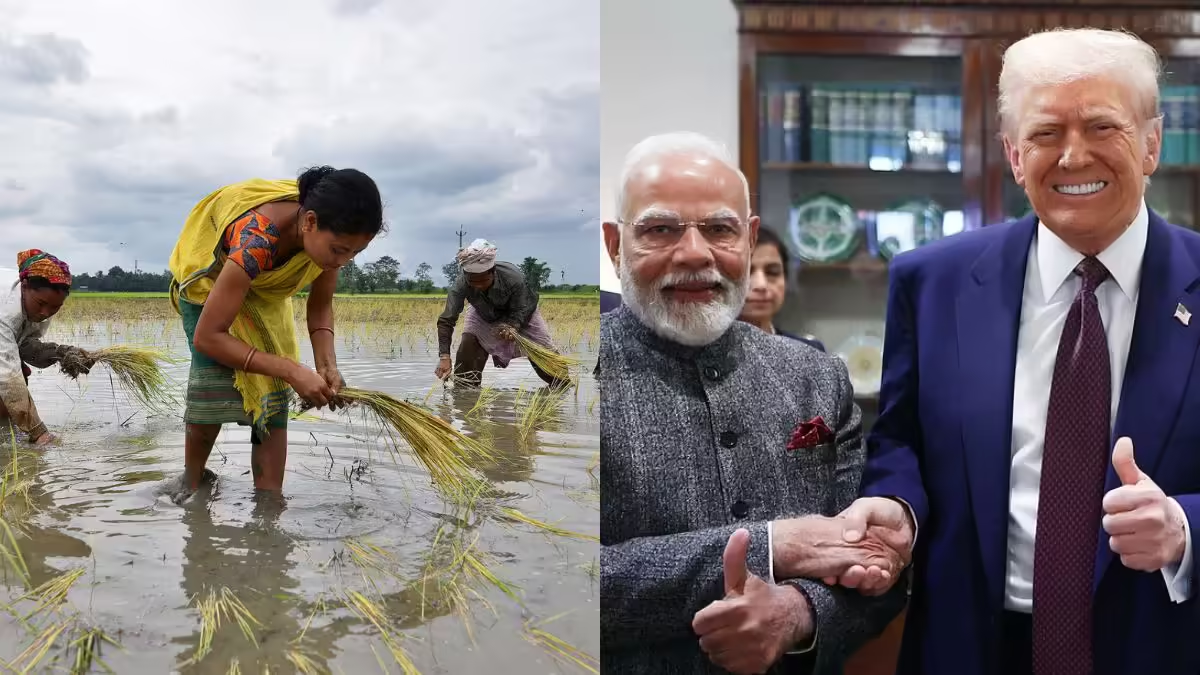
In the ongoing discussions surrounding the India-US trade deal, India has firmly established its boundaries, often referred to as the ‘Lakshman Rekha.’ This metaphorical line signifies the limits that India is willing to accept in negotiations that could impact its agricultural sector and farmers. The Indian government has made it clear that it will not compromise on the well-being of its farmers, emphasizing that there will be no deception or betrayal of their interests during these negotiations.
Farmers in India, who have been the backbone of the country’s economy, have been particularly sensitive to any changes that could affect their livelihoods. The government’s stance is a reassurance to them that their voices and concerns are being taken seriously at the negotiating table. The trade deal discussions have highlighted the need for balancing international trade relations while protecting domestic agricultural interests. India’s commitment to safeguarding its farmers is not just a political stance; it reflects a broader understanding of the socio-economic fabric of the nation.
Furthermore, the trade deal with the United States holds significant potential for both nations, offering opportunities for enhanced economic collaboration. However, the Indian government is acutely aware of the historical challenges that farmers have faced, particularly in the context of globalization and trade liberalization. By drawing a clear line in the sand, India aims to foster a sense of security among its agricultural community, ensuring that their rights and interests are prioritized in any agreement reached with the United States.
As negotiations progress, it will be crucial for both sides to find common ground that respects India’s agricultural policies while also enabling the country to engage meaningfully in global trade. The ongoing dialogue underscores a larger narrative of balancing national interests with international partnerships, a delicate dance that requires careful consideration and mutual respect. Ultimately, India’s position in these negotiations aims to promote a fair and equitable trade relationship without compromising the welfare of its farmers.