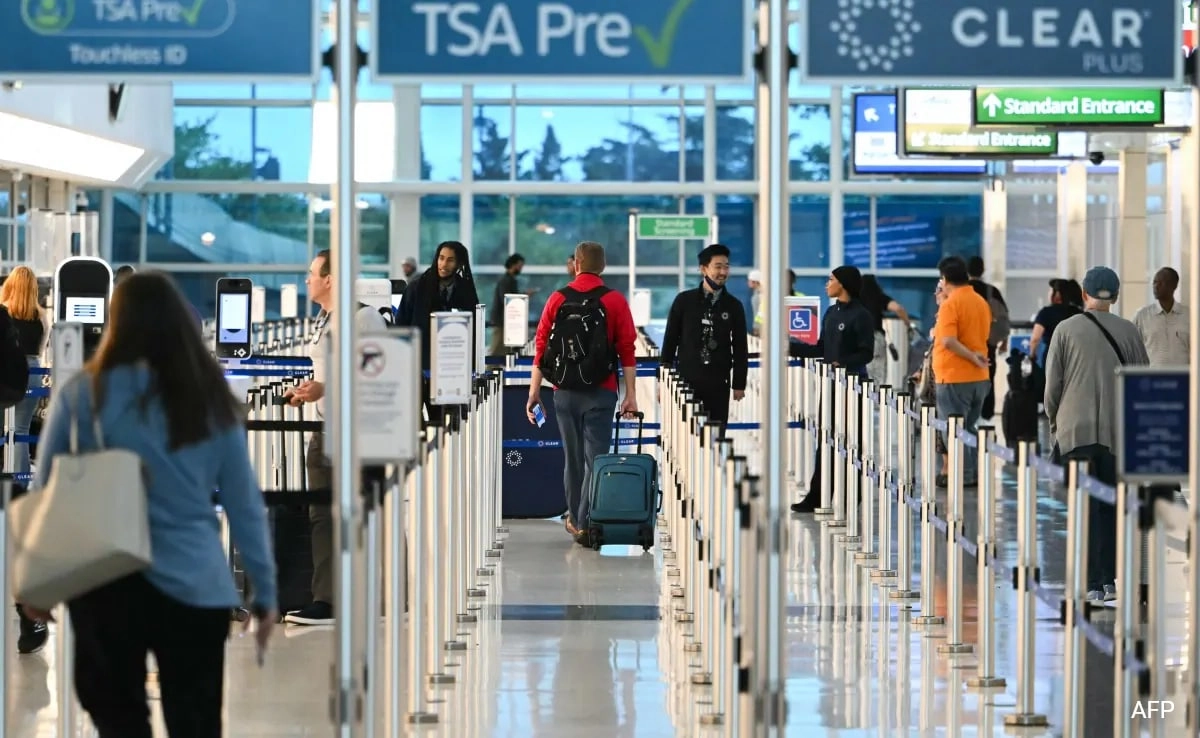
A prolonged government shutdown in the United States can have far-reaching implications for travelers, affecting everything from flight operations to national parks. When the government shuts down, various federal agencies reduce their workforce, which can lead to delays and disruptions in essential services that travelers rely on. For instance, the Transportation Security Administration (TSA), responsible for airport security, may operate with reduced staffing levels, resulting in longer wait times at security checkpoints. This can create significant inconveniences for passengers trying to catch flights, particularly during peak travel seasons.
Moreover, national parks and monuments, which attract millions of visitors each year, may close or restrict access during a shutdown. This can severely impact travel itineraries, especially for those planning trips around iconic destinations like Yellowstone or the Grand Canyon. Travelers might find themselves unable to explore these natural wonders, leading to frustration and the need to alter their plans at the last minute. Additionally, local economies that depend on tourism can suffer greatly, as businesses near these sites may see a decline in visitors, affecting everything from hotels and restaurants to tour operators.
Travelers should also be aware that visa and passport processing can slow down during a government shutdown, as the State Department may have limited staff available to handle these essential services. Those planning international trips may find themselves facing delays in obtaining necessary travel documents, which could jeopardize their travel plans. It’s crucial for travelers to stay informed about the status of government operations and to consider these potential disruptions when making travel arrangements.
In conclusion, the ramifications of a government shutdown extend beyond the political arena, directly impacting the travel experience. It is advisable for travelers to remain flexible and prepared for unexpected changes, including potential cancellations or delays. Keeping abreast of developments in government operations and having contingency plans in place can help mitigate the impacts of a shutdown on travel plans, ensuring a smoother journey despite the surrounding uncertainties.