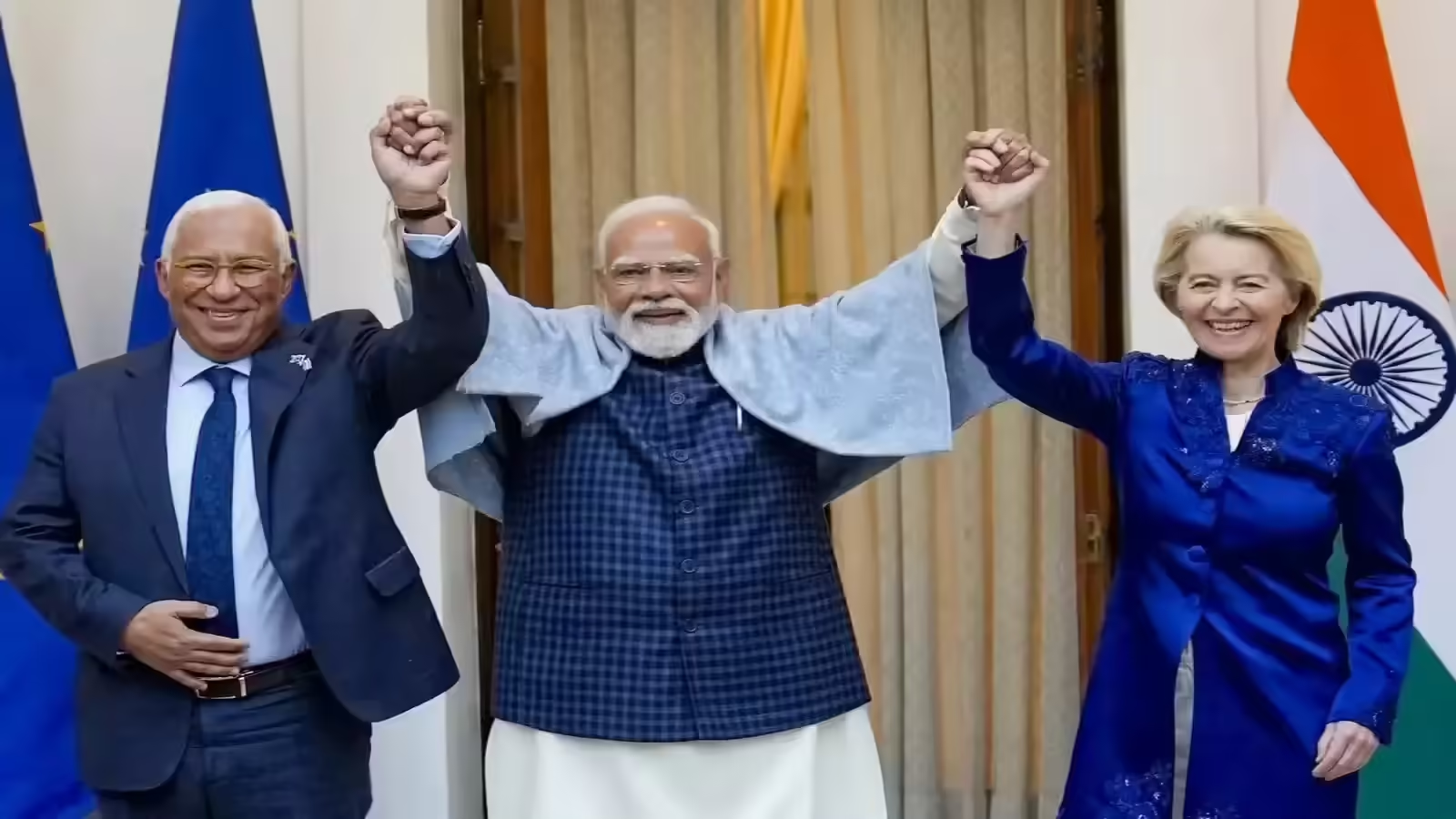
India and the European Union (EU) have reached a historic free trade agreement after 18 years of negotiations. This landmark deal signifies a major step forward in the economic relationship between India and the EU, which is one of the largest trading blocs in the world. The agreement aims to enhance trade and investment flows between the two regions, paving the way for increased economic cooperation and collaboration.
The negotiations, which began nearly two decades ago, have faced numerous challenges and complexities. However, the finalization of this agreement reflects the commitment of both parties to strengthen their economic ties. The free trade agreement is expected to reduce tariffs, facilitate easier market access, and encourage joint ventures and partnerships across various sectors, including technology, pharmaceuticals, and green energy.
This agreement is not only significant from an economic standpoint but also carries geopolitical implications. As global trade dynamics evolve, both India and the EU recognize the importance of forging strong alliances. This partnership is likely to bolster their positions in international trade negotiations and enhance their collective influence on global economic policies.
With the conclusion of this free trade agreement, both India and the EU stand to benefit from increased trade volumes, job creation, and technological advancements. Businesses in both regions will have the opportunity to tap into new markets and expand their operations, fostering innovation and competitiveness. As the world continues to navigate the challenges posed by economic uncertainty, this agreement represents a hopeful development in fostering economic resilience and cooperation between two major players on the global stage.