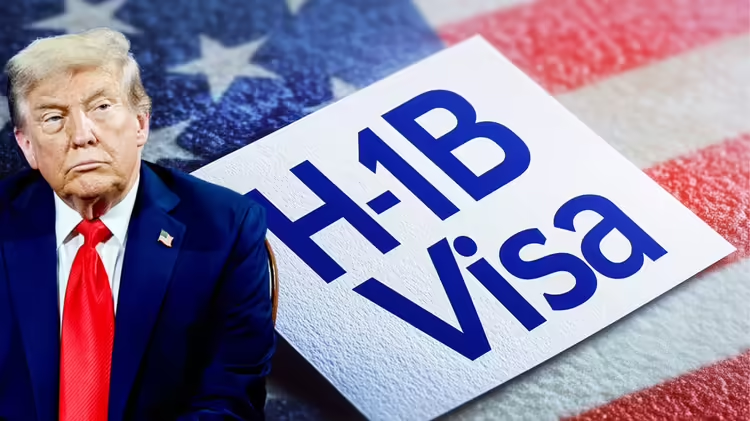
Obtaining an H1-B visa has become increasingly challenging, particularly following recent orders from former President Donald Trump. These new regulations have introduced a range of difficulties for foreign workers seeking employment in the United States, as well as for companies that rely on skilled international talent. The H1-B visa program, which allows U.S. companies to temporarily employ foreign workers in specialty occupations, has long been a pathway for many professionals from various fields, including technology, engineering, and healthcare. However, the tightening of visa regulations has raised concerns about the future of this program and its implications for the American job market.
Under the new rules, the application process for H1-B visas has become more stringent, with increased scrutiny of applicants and their employers. Companies must now demonstrate that they have made significant efforts to hire American workers before they can sponsor foreign employees. This requirement places an additional burden on employers and could potentially limit the number of skilled workers they can bring into the country. As a result, many businesses are worried about their ability to compete in a global market where access to top talent is crucial for innovation and growth.
Moreover, the changes have led to heightened anxiety among prospective H1-B visa applicants, many of whom are left uncertain about their chances of securing employment in the U.S. The new measures have not only impacted the individuals looking to work in America but have also raised questions about the long-term impact on the U.S. economy. With a growing number of companies facing challenges in filling specialized roles, the restrictions could hinder the country’s overall productivity and technological advancement. As the landscape continues to evolve, it is essential for both employers and potential visa applicants to stay informed about the latest developments and prepare accordingly for the changing immigration environment.