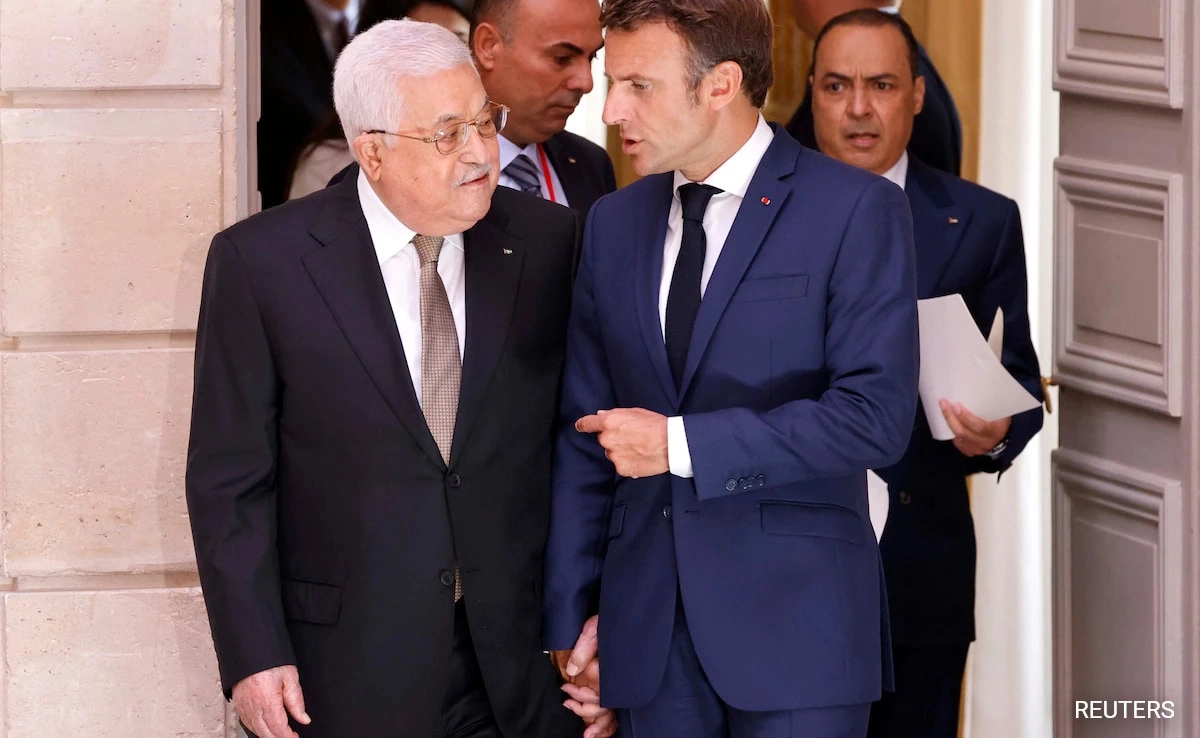
France’s recognition of Palestine represents a significant shift in international diplomacy and could have profound implications for the future of the Middle East. By officially acknowledging Palestine as a state, France aligns itself with a growing number of countries advocating for Palestinian sovereignty and rights. This move is emblematic of a broader trend in international relations, where global powers increasingly recognize the need for a two-state solution as a means to resolve long-standing conflicts in the region. France’s decision may encourage other nations to follow suit, thereby elevating the Palestinian cause on the global stage and potentially reshaping diplomatic dynamics in the Middle East.
The implications of this recognition extend beyond mere symbolism; it could lead to increased political support for Palestine in various international forums, including the United Nations. This support can manifest in various ways, including financial aid, development assistance, and enhanced diplomatic engagement. France, as a key player in the European Union, could also influence EU policy towards Israel and Palestine, advocating for more balanced negotiations that consider the rights and aspirations of the Palestinian people. Such changes could create a more conducive environment for dialogue and peace talks, which have been stalled for years.
Moreover, France’s recognition of Palestine poses a challenge to the status quo in the region. It signals to Israel and its allies that the international community is increasingly impatient with the ongoing occupation and settlement expansion. This recognition may push Israel to reconsider its policies towards the Palestinians, as continued disregard for international sentiment could lead to greater isolation. Conversely, it could also provoke backlash from certain factions within Israel and its supporters, potentially exacerbating tensions in an already volatile environment. Ultimately, France’s stance on Palestine could serve as a catalyst for renewed discussions on peace, but it also requires careful navigation to avoid escalating conflicts further.
In the broader context, France’s recognition of Palestine underscores the complexities of Middle Eastern geopolitics. The region is characterized by deep-rooted historical grievances, competing national narratives, and a web of alliances and enmities. France’s position could influence how other Arab nations perceive their relationship with both Israel and Palestine, potentially leading to shifts in alliances or a reevaluation of existing peace treaties. As countries grapple with their own domestic challenges and foreign policy priorities, France’s move may inspire a reevaluation of strategies regarding the Israeli-Palestinian conflict. Thus, while France’s recognition of Palestine is a significant step, it is merely one piece of a much larger puzzle that will require sustained effort and commitment from all parties involved to achieve a lasting peace in the region.