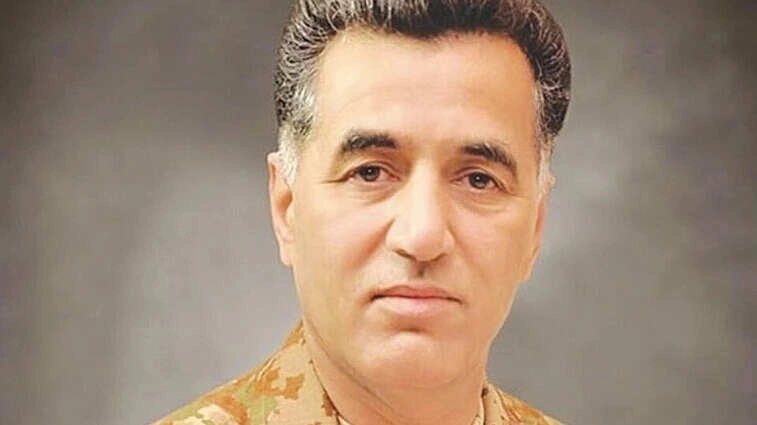
Faiz Hamid, once regarded as a ‘kingmaker’ in Pakistan’s political landscape, has recently found himself in a very different position: that of a prisoner. The former Chief of the Inter-Services Intelligence (ISI), who played a significant role in shaping the political environment during Imran Khan’s tenure as Prime Minister, has been sentenced to 14 years in prison. This drastic turn of events raises several questions about the political dynamics in Pakistan and the implications of his conviction.
Faiz Hamid’s influence was prominent during Imran Khan’s administration, where his intelligence strategies were often viewed as pivotal to the government’s stability. However, the recent developments suggest a significant shift in power dynamics within the country. The sentencing not only reflects on Hamid’s personal fate but also indicates broader implications for the military’s role in politics, especially considering the recent tensions between the military establishment and the civilian government.
The exact reasons behind Hamid’s conviction remain complex, involving various allegations that have surfaced over time. His trial has drawn significant media attention and public scrutiny, reflecting the contentious relationship between the military and political entities in Pakistan. As the situation unfolds, many are left to ponder what this means for the future of governance in Pakistan and whether this is a sign of changing tides in the country’s political narrative. The repercussions of this sentence may resonate far beyond Hamid’s own life, potentially reshaping the political landscape in the years to come.