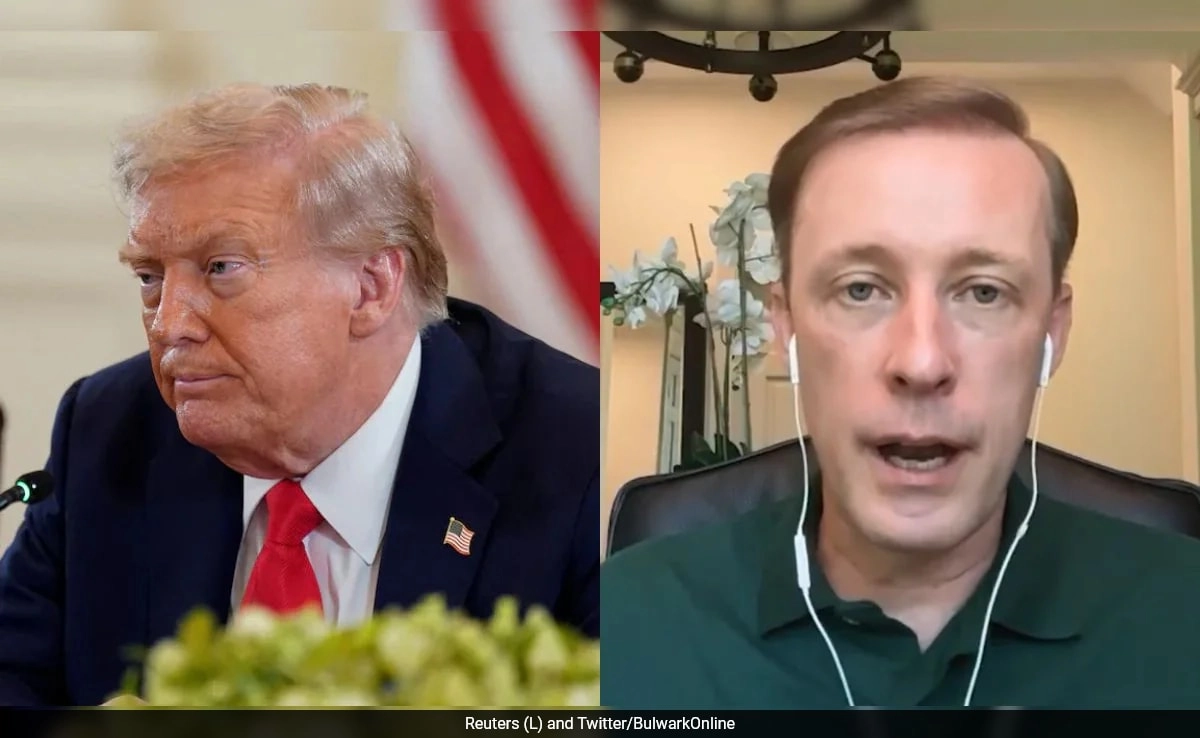
In a recent statement, a former White House official has sharply criticized the tariffs imposed by former President Donald Trump on Indian goods. This criticism highlights the ongoing tensions in U.S.-India trade relations, which have been further complicated by the shifting political landscape. The official, reflecting on the impact of these tariffs, pointed out that they not only affect the economy but also have broader implications for diplomatic relationships between the two nations. The ex-official emphasized that the tariffs, which were initially deemed necessary for protecting American industries, have ultimately resulted in increased costs for consumers and disrupted supply chains.
The tariffs were part of a broader strategy by the Trump administration aimed at addressing trade imbalances and protecting American jobs. However, the former official argued that the approach has backfired, leading to retaliatory measures from India and a strain on what could be a mutually beneficial economic partnership. The criticism sheds light on the complexities of international trade policies, where the intentions of protecting domestic interests can often lead to unintended consequences that impact not just bilateral relations but also global economic stability.
As the U.S. navigates its trade policies under the current administration, lessons from the past are crucial. The ex-official’s comments serve as a reminder that trade policies should be crafted with a careful consideration of their long-term effects on international relationships. The potential for collaboration between the U.S. and India in various sectors, including technology and manufacturing, could be stifled by protectionist measures. Moving forward, it will be essential for policymakers to strike a balance between protecting domestic industries and fostering strong international partnerships that can drive economic growth for both nations.