Recent events in Gaza have raised significant alarm as an airstrike targeted the only Catholic church in the region, resulting in numerous injuries. This incident has not only caused physical harm but has also deepened the fears and anxieties of the local community, which is already grappling with the ongoing conflict. The church, a symbol of resilience and hope for many, was believed to be a sanctuary for peace amidst the chaos surrounding it. The attack has drawn attention to the plight of religious minorities in areas affected by violence, highlighting the delicate balance that must be maintained to protect cultural and religious sites.
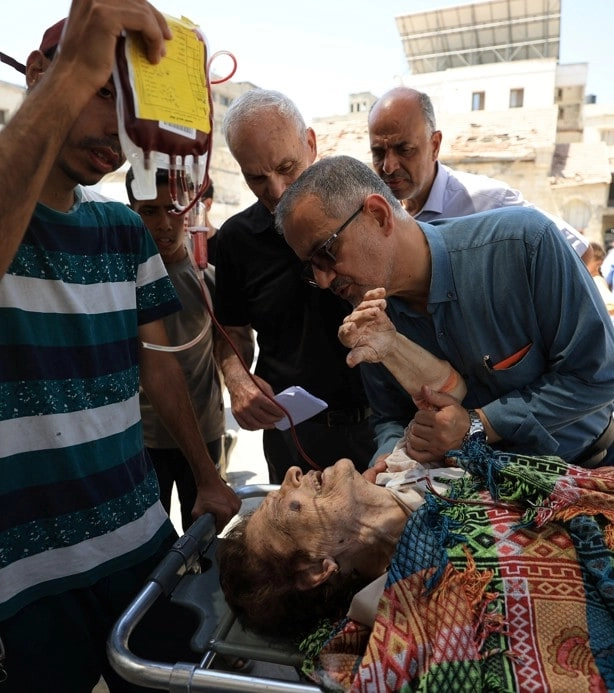
Witnesses reported chaotic scenes outside the church following the strike, with emergency services rushing to the scene to tend to the injured. Many locals have expressed their outrage and sorrow, emphasizing that such acts only exacerbate the suffering of innocent civilians caught in the crossfire. Community leaders are calling for immediate international intervention to safeguard places of worship and protect vulnerable populations. The attack on the church has sparked a renewed conversation about the importance of religious tolerance and the need for dialogue in conflict resolution.
Moreover, humanitarian organizations are increasingly concerned about the implications of this strike on the already dire situation in Gaza. With limited resources and ongoing blockades, the local population faces immense challenges in accessing medical care, food, and safety. The targeting of a religious site not only violates principles of international humanitarian law but also signals a troubling trend in the conflict, where civilian spaces are becoming battlegrounds. As tensions continue to rise, the world watches closely, hoping for a resolution that prioritizes peace and the protection of all communities, regardless of their faith. The resilience of the people in Gaza is commendable, but the need for urgent action to prevent further violence is more pressing than ever.