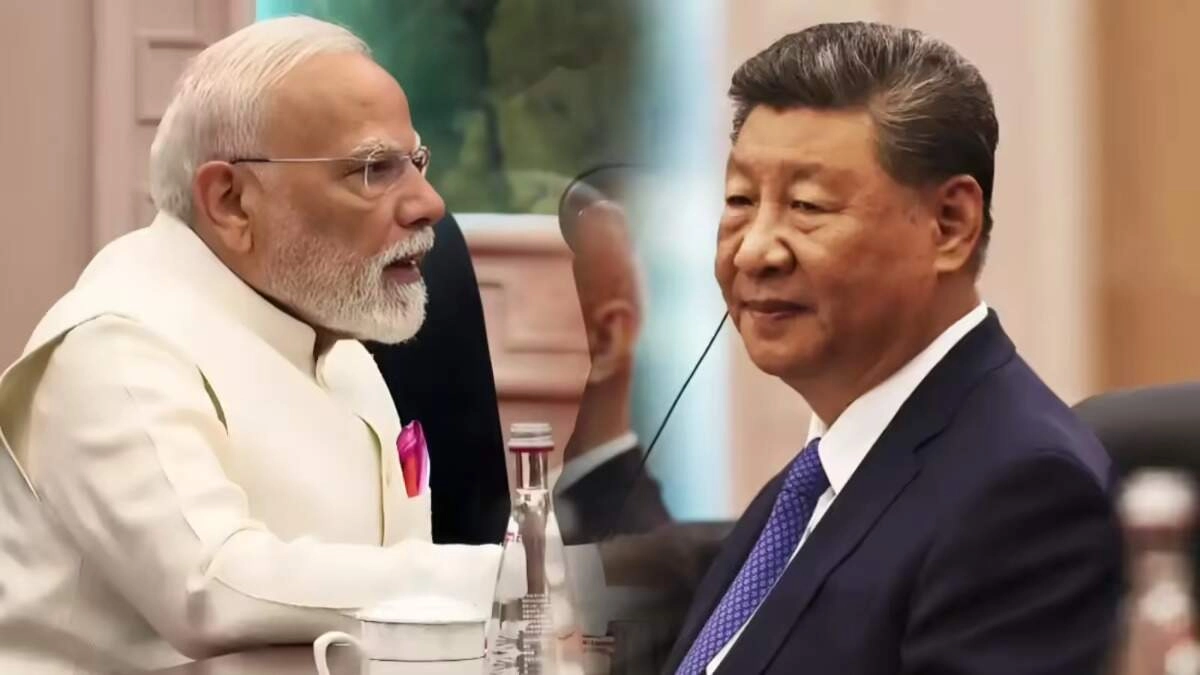
A recent American report has stirred discontent in China, particularly because it highlights India’s growing partnership with the United States. The Chinese government has reacted strongly, issuing a stern warning to the US about its increasing ties with India. This report underscores a significant geopolitical shift, as it suggests that the US is actively seeking to bolster its relationship with India, viewing it as a crucial ally in the region.
China’s reaction reflects its apprehension regarding the potential implications of a strengthened US-India alliance. The report suggests that the US is not only recognizing India as a key partner but is also likely to deepen its cooperation in various sectors, including defense, trade, and technology. This development is seen as a counterbalance to China’s influence in Asia, and it raises concerns for Beijing about its strategic interests.
The Chinese government has urged the US to reconsider its approach, warning that fostering closer ties with India could lead to increased tensions in the region. They argue that such actions could destabilize the existing balance of power and escalate rivalries. This situation highlights the complexities of international relations in Asia, where alliances are constantly shifting, and nations are vying for influence.
As the US continues to strengthen its partnership with India, it remains to be seen how China will respond in the long term. The dynamics of this trilateral relationship will be pivotal in shaping the future of regional politics, as both the US and China seek to assert their influence over South Asia. The unfolding scenario is a testament to the intricate web of diplomacy and strategy that characterizes the current geopolitical landscape.