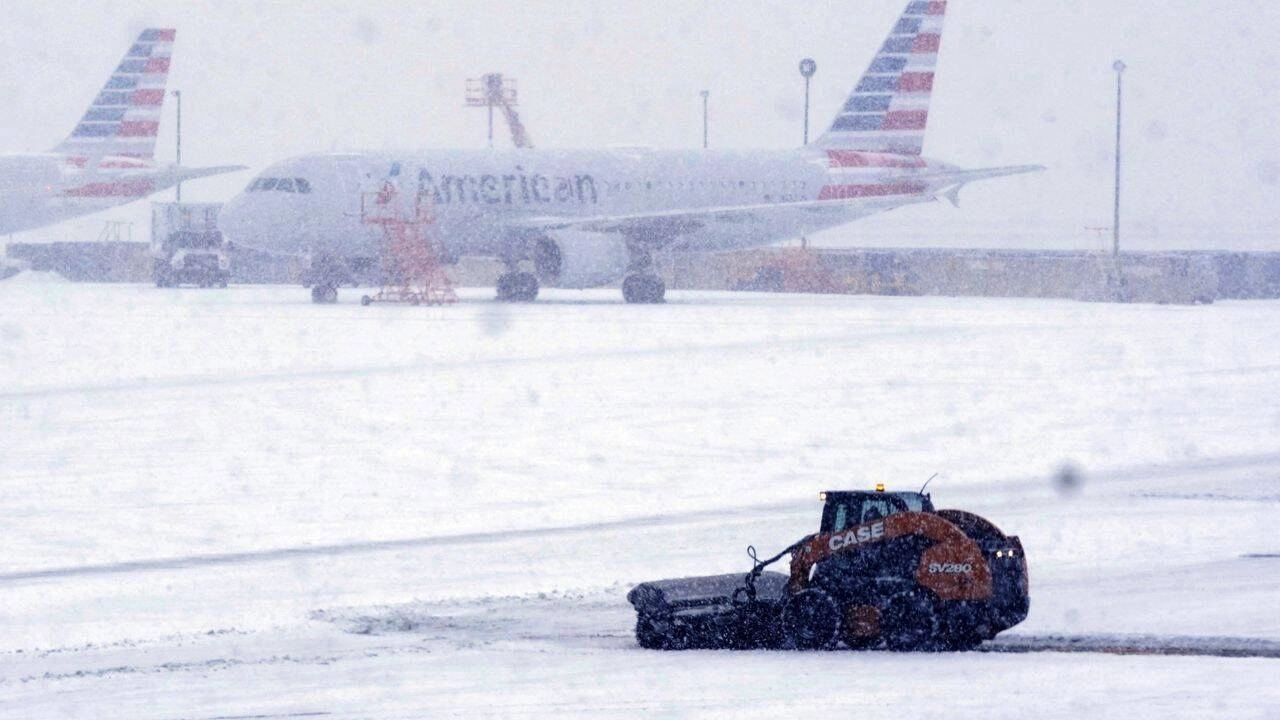
Air travel in the United States is currently experiencing significant turmoil, with reports indicating that around 1,100 flights have been canceled and more than 4,000 flights have been delayed. This situation has understandably caused panic and frustration among travelers across the country. The disruptions in flight schedules are affecting thousands of passengers, leading to long wait times at airports and uncertainty about their travel plans.
The combination of flight cancellations and delays can be attributed to a variety of factors, including adverse weather conditions, staffing shortages, and operational challenges faced by airlines. Passengers are left scrambling for alternative arrangements, and many are finding it difficult to rebook their flights or secure accommodations while waiting for updates. The chaos at airports has led to long lines, crowded terminals, and heightened stress levels among those trying to reach their destinations.
As travelers navigate this challenging situation, airlines are working to manage the crisis and provide assistance where possible. However, the sheer volume of disruptions has made it a daunting task. Many travelers are expressing their frustration on social media, sharing their experiences and seeking support from airlines. The current state of air travel serves as a reminder of the complexities and challenges inherent in the aviation industry, and it underscores the importance of contingency planning for both airlines and passengers alike.