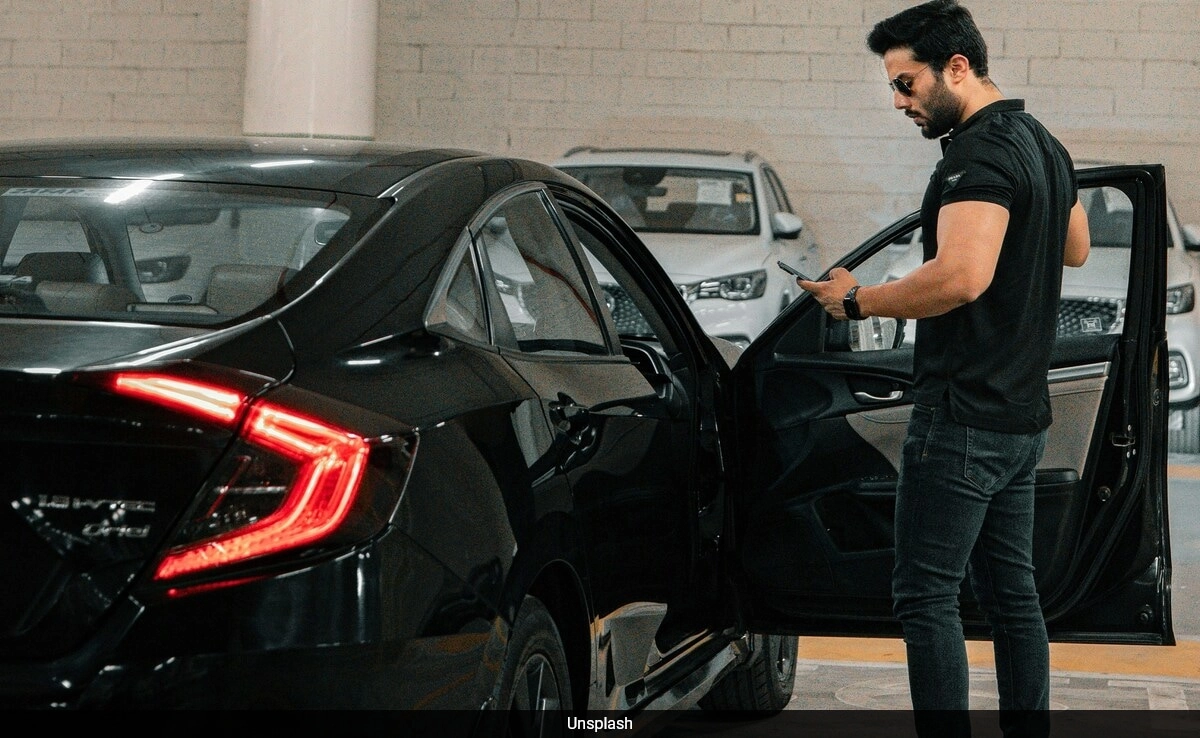
In an intriguing turn of events, a British man recently found himself at the center of a surprising automotive saga after purchasing a car for Rs 20 lakh, only to discover that it was actually his stolen Honda Civic. This incident not only highlights the complexities surrounding vehicle ownership and theft but also underscores the potential pitfalls of the second-hand car market. The man, who had been actively searching for his stolen vehicle, was initially thrilled to acquire what he believed was a legitimate purchase, unaware of the underlying issues that would soon come to light.
Upon acquiring the vehicle, the man was filled with excitement, envisioning the adventures he would embark on with his newly purchased Honda Civic. However, his joy was short-lived. After conducting a routine check, he discovered that the vehicle’s identification number matched that of his stolen car, which had been taken from him months earlier. This shocking revelation not only dashed his hopes of a fresh start but also sparked a series of legal and logistical challenges, as he navigated the process of reclaiming his property and dealing with the implications of the theft.
This incident raises important questions about the effectiveness of vehicle registration systems and the measures in place to prevent the sale of stolen vehicles. The second-hand car market can be notoriously tricky, with buyers often lacking access to comprehensive information about a vehicle’s history. This case serves as a cautionary tale for prospective buyers, emphasizing the need for thorough research and verification before making significant purchases. It also calls for greater awareness among sellers to ensure that they are not inadvertently dealing in stolen goods.
As the story unfolds, it sheds light on the broader implications of vehicle theft, not only for the owners who suffer the loss but also for the integrity of the automotive market. This British man’s experience is a stark reminder of the importance of vigilance and due diligence in vehicle transactions. In an era where technology plays a crucial role in verification processes, it is imperative for both buyers and sellers to be proactive in ensuring that they are engaging in legitimate and safe transactions. Ultimately, this incident serves as a wake-up call for all stakeholders in the automotive world, urging them to prioritize transparency and security in their dealings.