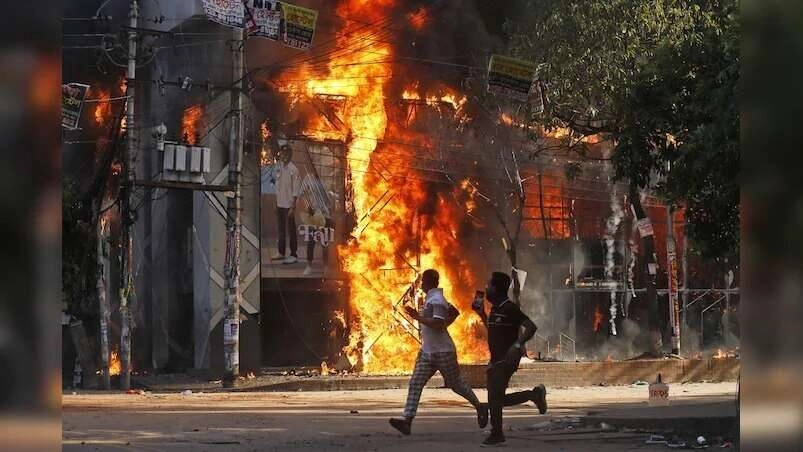
After the death of Osman Hadi, Bangladesh has erupted into chaos and violence. The news of his passing has sparked widespread unrest, leading to protests and riots across the country. Supporters of Osman Hadi have taken to the streets in droves, expressing their anger and frustration over the circumstances surrounding his death. In an alarming display of dissent, several offices of the Awami League, the ruling political party, have been set ablaze. This violence reflects deeper societal tensions and dissatisfaction with the current political climate in Bangladesh.
The unrest has not been confined to just one area; reports indicate that violence and arson have erupted in at least four major cities. The atmosphere is charged with emotions as citizens express their grievances, which have been building up over time. The anger is not solely directed at the Awami League but also encompasses a broader discontent with governmental policies and the state of democracy in the nation. The situation has escalated quickly, with clashes between protesters and law enforcement resulting in injuries and heightened tensions.
Government officials have urged calm and called for a return to order, but the situation remains volatile. Many fear that without effective dialogue and resolution, the unrest could lead to further instability. The death of Osman Hadi has become a rallying point for those dissatisfied with the political status quo, and the events unfolding in Bangladesh serve as a stark reminder of the fragility of peace and the deep-seated issues that can ignite civil unrest. As the nation grapples with this turmoil, the international community is watching closely, hoping for a peaceful resolution to the crisis.