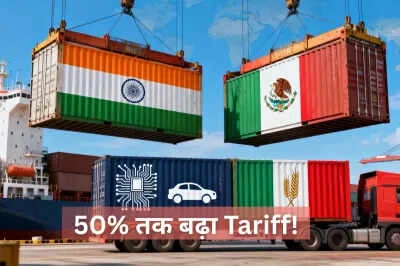
After the United States, another country has imposed a hefty 50% tariff on India. This significant change in trade policy raises questions about the implications for economic relations and commerce between the two nations. The imposition of such a high tariff could be a response to various factors, including trade imbalances, concerns over quality, or geopolitical tensions. The specifics of the regulations and the goods affected by the tariff are crucial to understand the broader impact on trade.
This new tariff is set to be implemented soon, although the exact date has yet to be disclosed. Businesses and exporters in India need to prepare for the changes that will come with this regulation. It is essential to monitor how this will affect the competitive landscape for Indian products in the international market. The repercussions of such tariffs can be significant, leading to increased costs for consumers and potentially affecting the profitability of companies involved in exports.
As countries navigate the complexities of global trade, reactions from India will be closely watched. The Indian government may seek to engage in discussions to address the concerns that led to the imposition of the tariff. Diplomatic efforts could play a crucial role in mitigating the effects of such trade barriers. Ultimately, how both countries respond to this situation will shape their economic relationship in the future, and it will be important for stakeholders to stay informed about developments in this area.