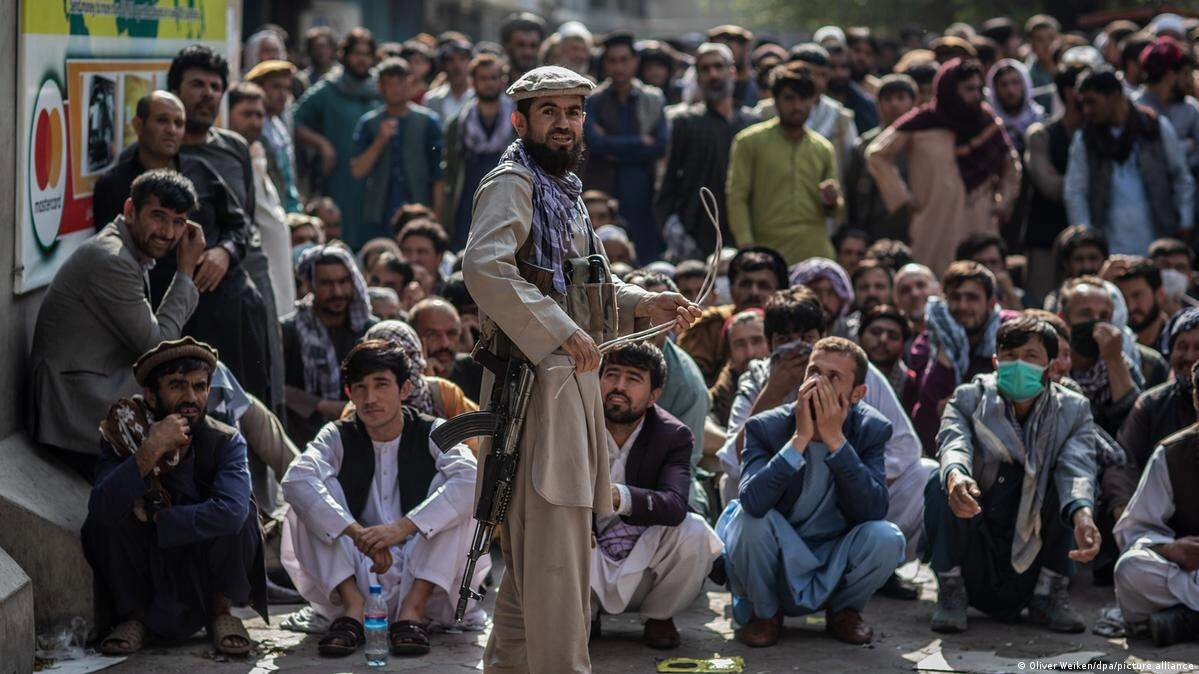
In a shocking development for human rights in Afghanistan, a recent law has been enacted that legalizes slavery, effectively granting impunity to religious leaders and clerics in the country. This decision marks a significant regression in the progress made towards human rights, particularly for vulnerable populations, including women and children. The new legislation allows for practices that were previously condemned and viewed as violations of basic human dignity. This change in the legal framework raises grave concerns about the future of individual freedoms and the protection of human rights in Afghanistan.
The implications of this law are profound, as it undermines the very foundation of human rights and justice. With the removal of restrictions on clerics, there is a fear that extremist interpretations of religious texts may become more prevalent, leading to the normalization of practices that exploit and dehumanize individuals. This shift in policy could result in an increase in human trafficking and forced labor, as well as a resurgence of practices that many believed had been relegated to the past. Activists and human rights organizations are sounding the alarm, warning that the legal endorsement of slavery could lead to widespread abuses.
The international community must respond to this alarming situation with urgency. Diplomatic pressure and sanctions may be necessary to compel the Afghan government to reconsider this draconian law. Additionally, support for local human rights organizations is crucial in their efforts to protect the rights of individuals at risk. The situation in Afghanistan serves as a stark reminder of the fragility of human rights and the need for constant vigilance to safeguard against regression. As the world watches, it is imperative that all stakeholders advocate for a return to a legal framework that upholds human dignity and protects the most vulnerable members of society.