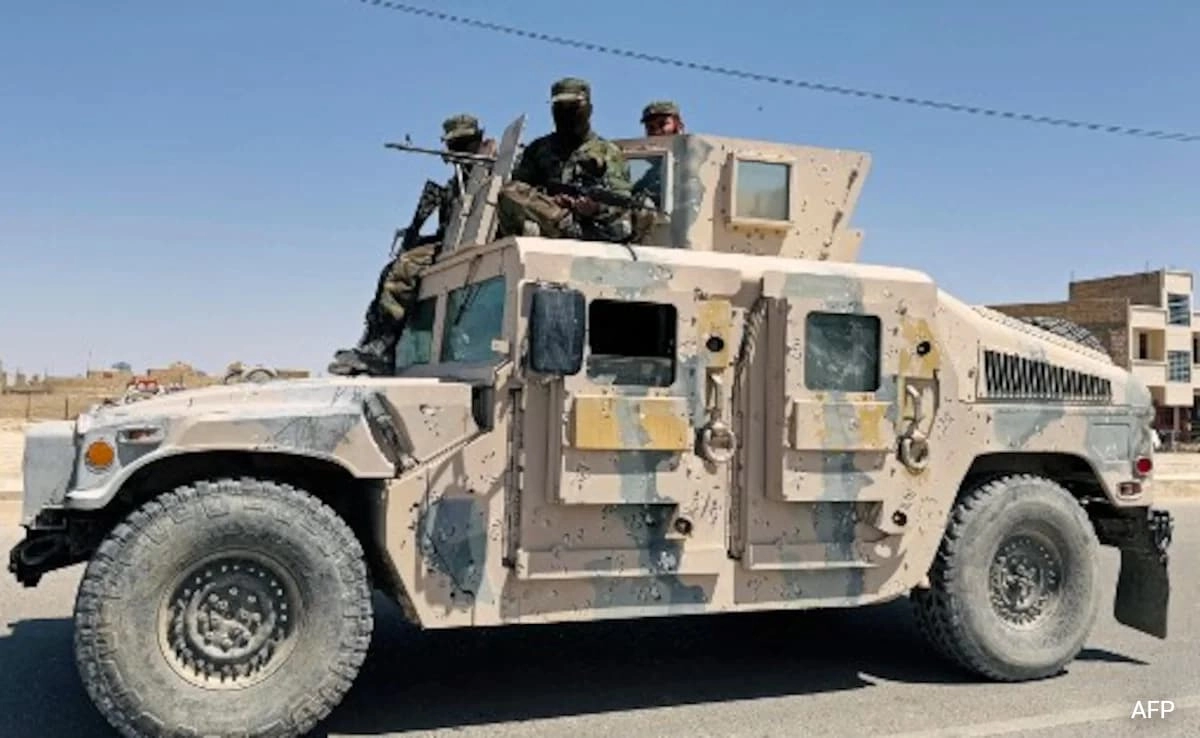
In a landmark ruling that highlights the intersection of law and religious beliefs in Afghanistan, an Afghan court has stated that public executions are mandated by the tenets of their religion. This decision has reignited debates about human rights, justice, and the application of Sharia law in the country. The court’s ruling comes amid ongoing discussions about the Taliban’s strict interpretation of Islamic law and its implications for Afghan society. Public executions have been a controversial topic, with critics arguing that they violate fundamental human rights and undermine the rule of law. However, proponents within the Taliban and certain segments of Afghan society argue that such measures are necessary to maintain order and uphold religious principles.
The court’s assertion that deaths are required by “our religion” reflects a broader cultural and religious context in which justice is often intertwined with religious doctrine. In Afghanistan, many citizens view the legal system through the lens of religious beliefs, leading to a complex dynamic where secular law and religious mandates coexist, sometimes uncomfortably. This ruling could have significant implications for the future of governance and justice in Afghanistan, particularly in light of the Taliban’s efforts to legitimize their authority both domestically and internationally.
International organizations and human rights advocates have expressed deep concern over the potential for increased violence and the erosion of civil liberties that could result from such legal interpretations. The prospect of public executions raises questions about the moral and ethical implications of justice in a society that has experienced decades of conflict and instability. While the Taliban may believe that these actions serve a higher purpose in the name of religious compliance, the global community remains watchful, advocating for a more humane approach to justice that respects both human rights and the cultural contexts of the nations involved.
As Afghanistan navigates its post-Taliban reality, the tension between traditional practices and modern human rights standards will likely persist. This ruling serves as a reminder of the challenges faced in reconciling deeply held beliefs with the evolving standards of justice and human dignity. The ongoing dialogue around public executions and their justification in the name of religion will continue to shape Afghanistan’s social and political landscape, as well as its relations with the outside world. The path forward will require a delicate balance between respecting cultural traditions and promoting universal human rights, a task that will not be easy in a nation still grappling with the legacies of its past.