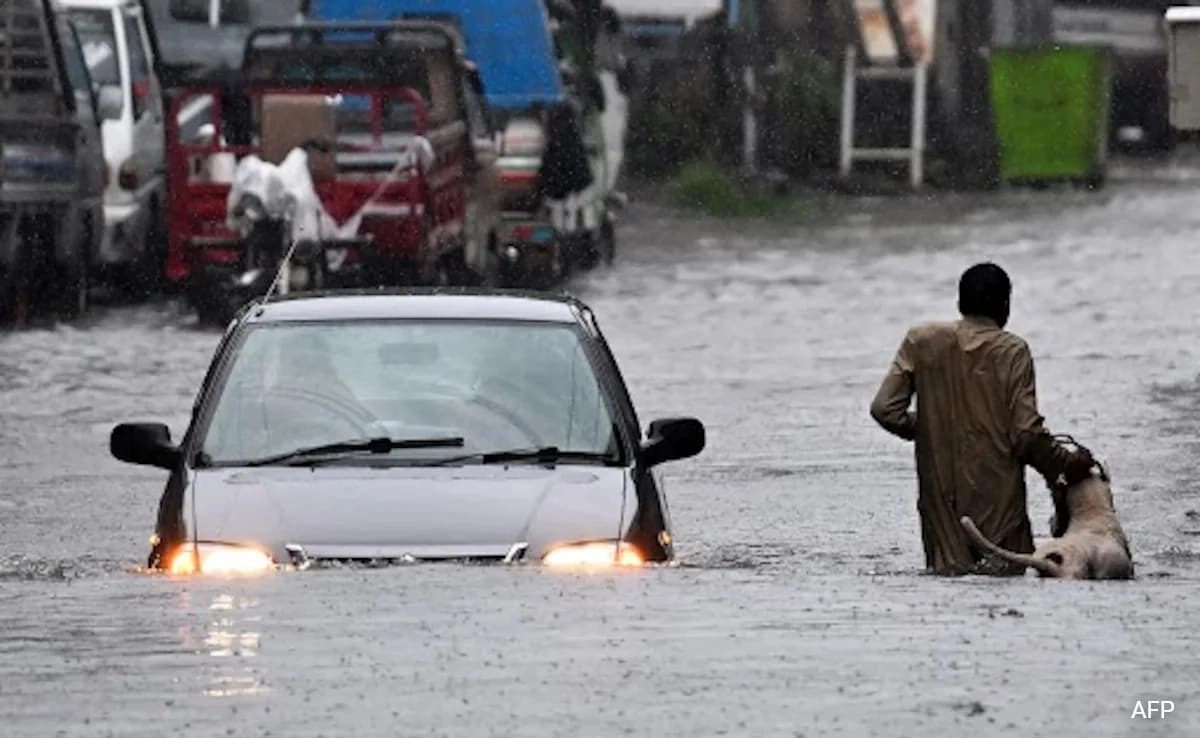
In recent days, Pakistan has been grappling with severe weather conditions, leading to devastating consequences across various regions. Reports indicate that heavy rainfall has claimed the lives of at least 54 individuals within a mere 24-hour period. This alarming spike in fatalities has contributed to an overall death toll that has now risen to 180, highlighting the urgent need for effective disaster response strategies in the country. The relentless downpours have caused widespread flooding, damaging infrastructure, homes, and agricultural lands, leaving countless families in dire situations.
The torrential rains have not only resulted in loss of life but have also disrupted daily life for millions of people. Various provinces have been affected, with reports of landslides, collapsed buildings, and overflowing rivers. Emergency services are stretched thin as they work tirelessly to rescue those trapped by floodwaters and provide assistance to those who have lost their homes. The government’s response has been criticized for being inadequate in the face of such a natural disaster, prompting calls for better preparedness and a more robust disaster management plan.
The economic ramifications of this catastrophe are also significant, as flooding has led to substantial losses in agriculture, which is a cornerstone of Pakistan’s economy. Farmers are facing the grim reality of lost crops that they depend on for their livelihoods, exacerbating an already precarious situation for many rural communities. As the nation grapples with recovery efforts, the need for humanitarian aid has become increasingly pressing. NGOs and international organizations are stepping in to provide relief, but the scale of the disaster presents a daunting challenge.
In light of these events, it is crucial for the Pakistani government and relevant agencies to prioritize disaster preparedness and resilience. The country is no stranger to extreme weather events, and the increasing frequency and intensity of such incidents underscore the importance of establishing comprehensive strategies to mitigate their impact. This includes investing in infrastructure that can withstand heavy rainfall, improving early warning systems, and educating communities about disaster risk reduction. As the nation mourns the loss of life and strives to recover from this tragedy, the lessons learned must pave the way for a more resilient future.