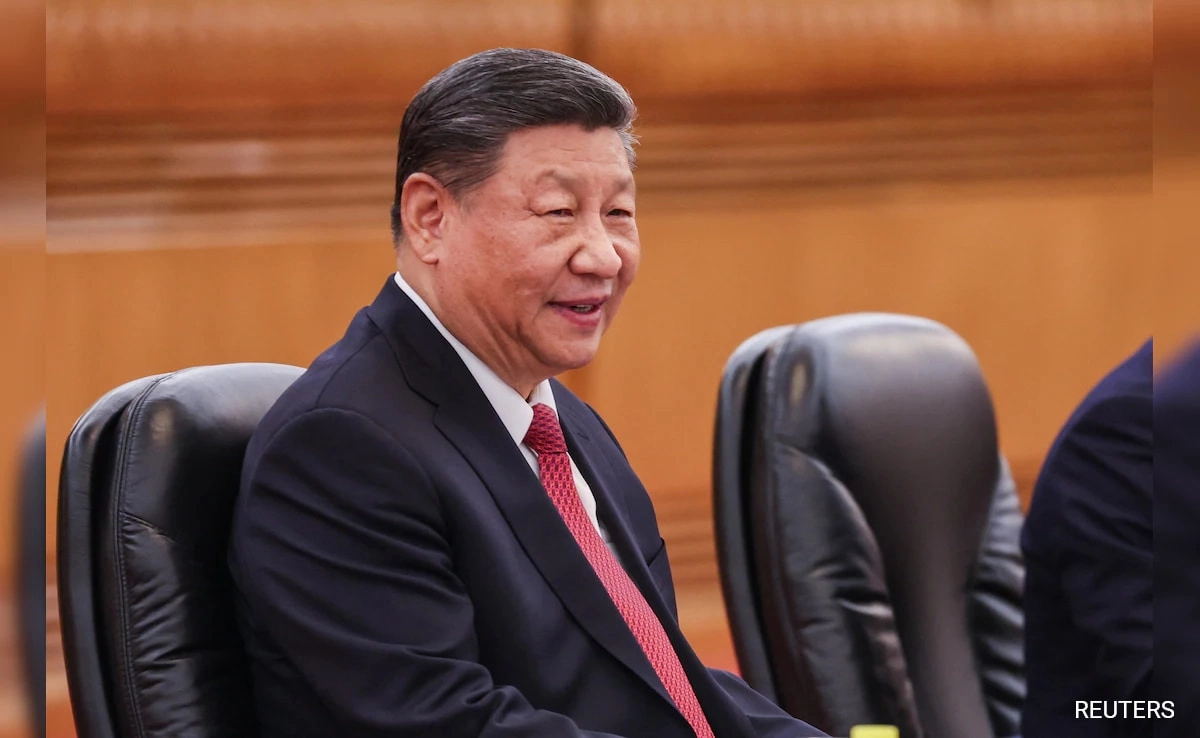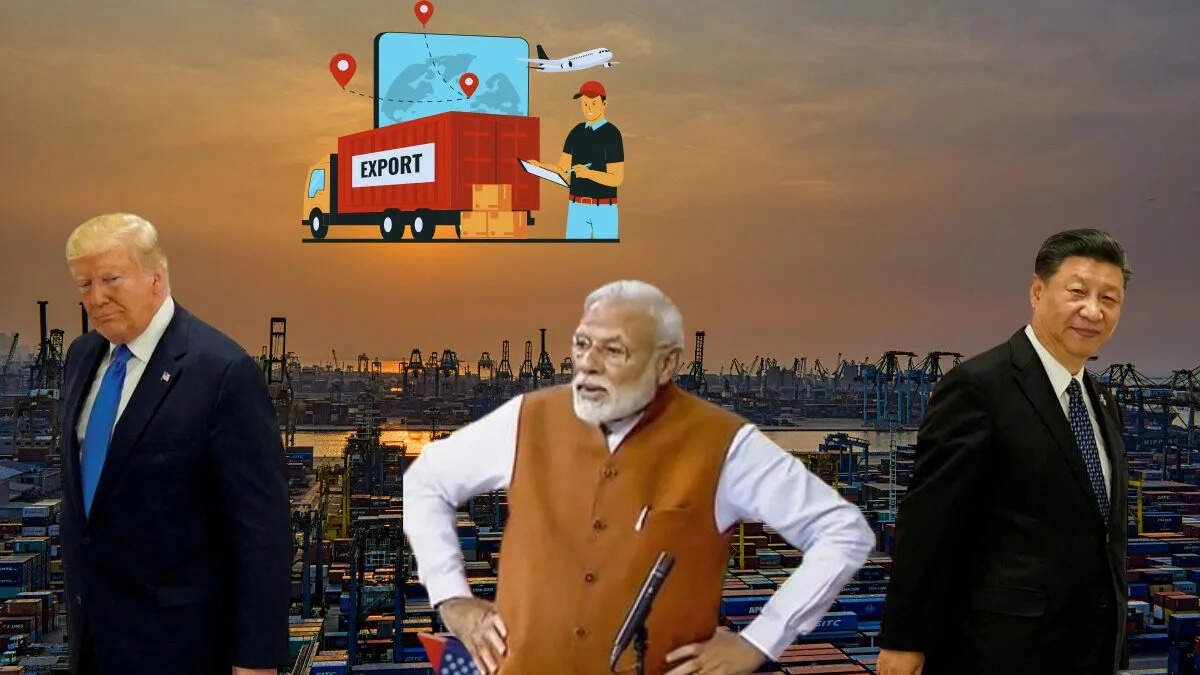
The global trade landscape is poised for a significant transformation, primarily influenced by a 15% tariff adjustment that could alter trading dynamics. Recent developments suggest that China may experience a sense of relief due to these changes, which could affect its trade relationships and economic strategies. The imposition of tariffs is a complex issue that often leads to a reevaluation of trade agreements and partnerships, and in this case, China seems to be in a favorable position. As countries navigate the implications of these tariffs, the balance of power in international trade could shift, allowing China to strengthen its trade ties in certain regions while potentially putting pressure on other nations.
On the other hand, India’s situation appears more precarious, as highlighted by Moody’s surprising report. The credit rating agency has pointed out that India’s economic resilience may be tested in the wake of these tariff changes. This development raises concerns about how Indian industries will adapt to the new trade environment, particularly in sectors reliant on exports. The report suggests that India may face challenges in maintaining its competitive edge, which could lead to a reevaluation of its economic policies and trade strategies. As the country grapples with these potential hurdles, it will be crucial for Indian policymakers to devise effective measures to mitigate the impact of the tariffs and sustain economic growth.
In summary, the introduction of a 15% tariff could significantly alter the trade dynamics between countries, with China seemingly positioned to benefit while India may confront serious challenges. The situation calls for careful analysis and proactive strategies from both nations. As the global economy continues to evolve, it remains to be seen how countries will adapt to these changes and what long-term effects they will have on international trade relationships.