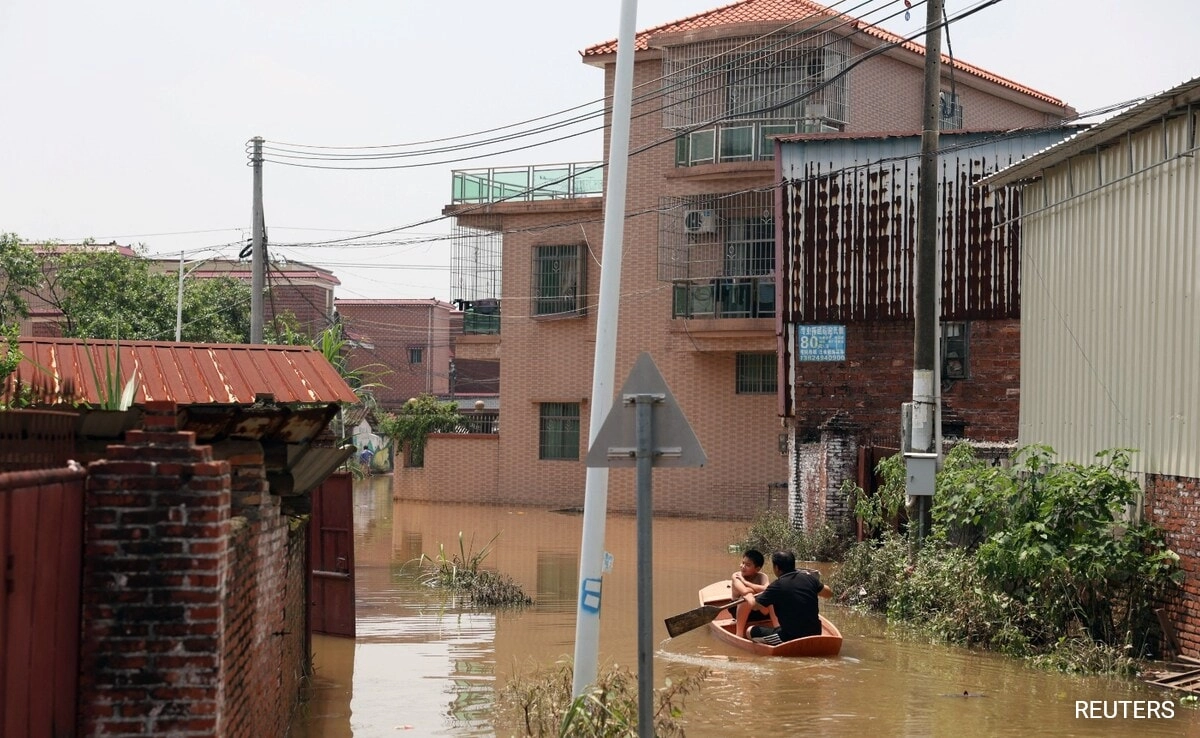
Recent flash floods in China have resulted in a devastating loss of life and widespread destruction. Reports indicate that at least ten individuals have been confirmed dead, while an alarming 33 others remain missing, prompting urgent rescue operations. The floods, triggered by heavy rainfall, have swept through various regions, leaving communities grappling with the aftermath. The rapid onset of these floods caught many residents off guard, highlighting the unpredictable nature of weather patterns exacerbated by climate change.
Emergency response teams have been deployed to affected areas to assist in search and rescue efforts. Local authorities are working tirelessly to locate those who are unaccounted for, while also providing support to those who have lost their homes or loved ones. The scenes of devastation reveal submerged buildings, uprooted trees, and debris scattered across streets, emphasizing the ferocity of the water’s flow. In addition to the immediate impacts on human life, the floods have disrupted vital infrastructure, including transportation and communication networks, further complicating rescue and recovery efforts.
As the situation unfolds, the government is assessing the scale of the damage and organizing relief efforts to aid affected populations. The emotional toll on families who have lost loved ones or have been displaced from their homes is immeasurable. This tragedy serves as a stark reminder of the increasing frequency and severity of extreme weather events globally. As communities come together to support one another in this time of crisis, the need for improved disaster preparedness and climate resilience becomes ever more apparent. The hope now is for a swift recovery for those impacted and a commitment to addressing the underlying issues contributing to such catastrophic events.