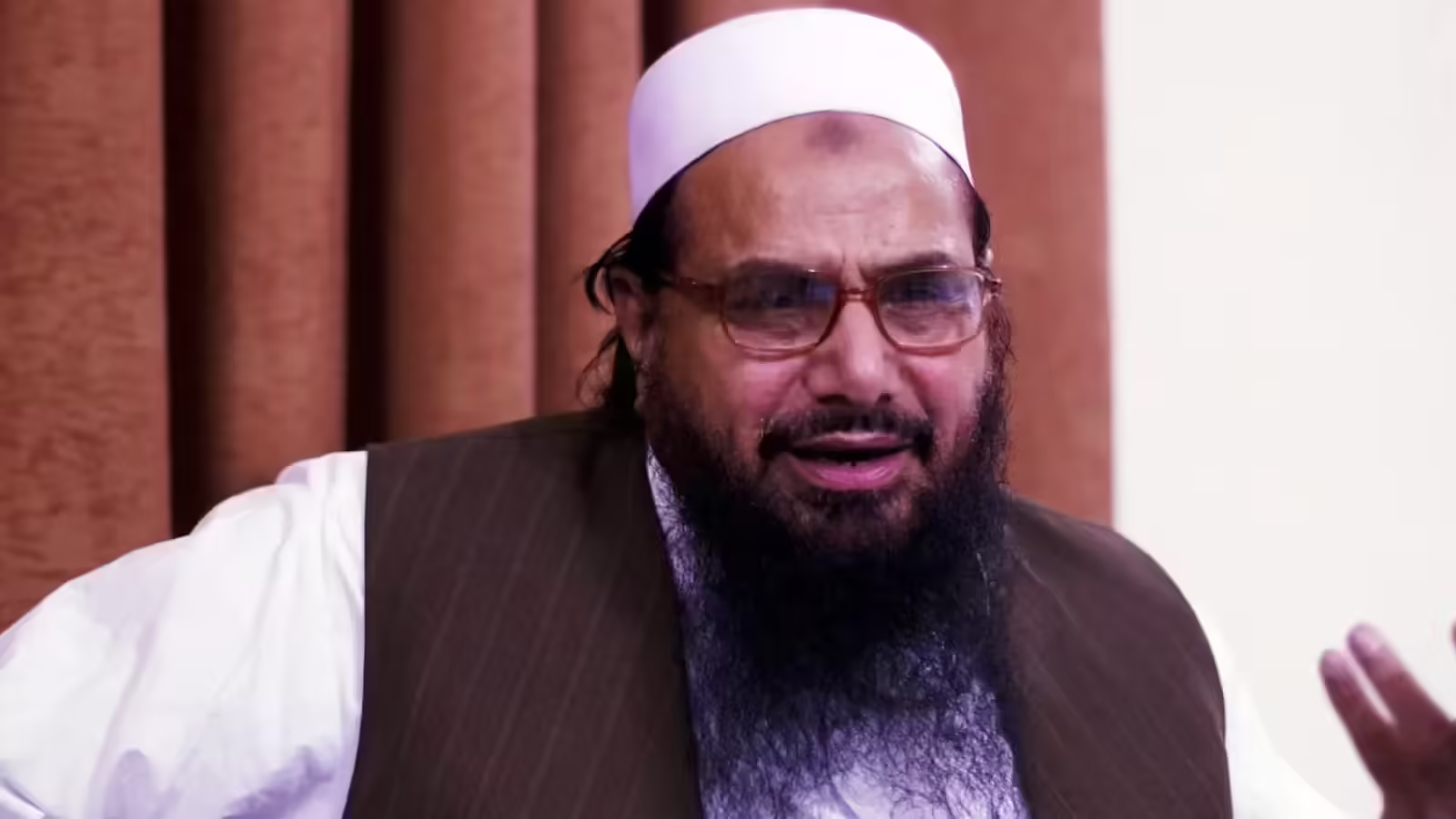
A Lashkar-e-Taiba terrorist has issued a stark warning against India, specifically threatening an attack on Delhi. This alarming statement raises concerns about the potential for future terrorist activities and highlights the ongoing challenges faced by security forces in the region. The terrorist claimed that even advanced military equipment such as the Rafale fighter jets and the S-400 missile defense system would be inadequate to protect the nation from impending threats.
The implications of such threats are significant, as they not only instill fear among the public but also pose a challenge to national security agencies. The mention of sophisticated weaponry like the Rafale and S-400 underscores the seriousness with which these groups view their capabilities and intentions. It reflects a strategic approach to terrorism where the adversaries are increasingly aware of the military strengths of their opponents and are willing to confront them head-on.
This situation calls for a robust response from Indian authorities. Security measures will need to be heightened in sensitive areas like Delhi, which is often seen as a prime target due to its political and cultural significance. The government and intelligence agencies must work collaboratively to anticipate and thwart any potential attacks, ensuring the safety of citizens while maintaining public confidence in their ability to protect the nation.
Moreover, this threat is indicative of the larger geopolitical tensions in the region and the ongoing struggle against extremist ideologies. It emphasizes the need for comprehensive counter-terrorism strategies that encompass not only military responses but also efforts to address the root causes of terrorism. Engaging with communities, promoting social cohesion, and fostering dialogue are essential steps in mitigating the influence of extremist groups. As the situation evolves, it will be crucial for India to remain vigilant and proactive in its approach to national security.