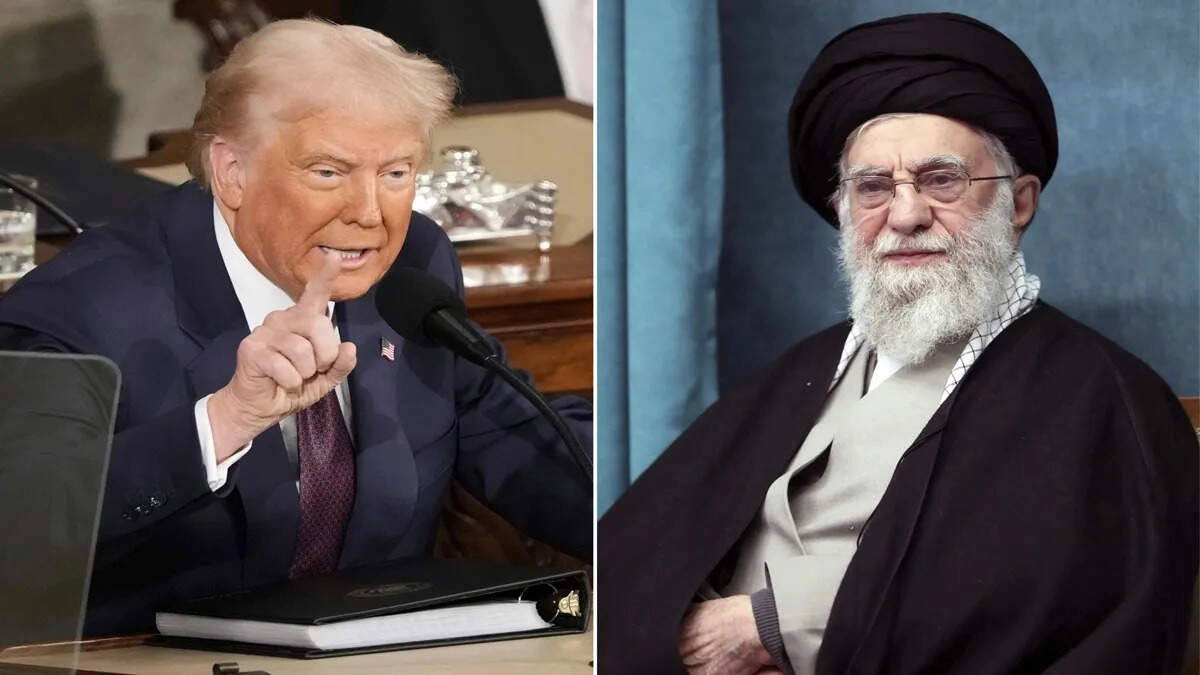
Iran’s Supreme Leader, Ayatollah Ali Khamenei, has recently expressed strong criticism of former US President Donald Trump, likening his fate to that of the late Shah of Iran, Mohammad Reza Pahlavi. In a statement addressing the ongoing unrest in Iran, Khamenei described Trump as a dictator, suggesting that his authoritarian tendencies could lead to a downfall similar to that experienced by the Shah during the Iranian Revolution of 1979. Khamenei’s remarks come in the context of widespread protests in Iran, which have been fueled by various social and political grievances.
Khamenei’s comments reflect the broader tension between Iran and the United States, particularly in light of the controversial policies implemented during Trump’s presidency. The Supreme Leader’s comparison to Pahlavi underscores the historical significance of the 1979 revolution, which saw the overthrow of the monarchy and the establishment of the Islamic Republic. This reference serves as a warning not only to Trump but also to those who may support similar authoritarian practices in Iran or elsewhere.
The unrest in Iran has been marked by public discontent over economic hardships, political repression, and demands for greater freedoms. Khamenei’s statement indicates a recognition of the seriousness of the situation and the potential consequences for those in power. By drawing parallels to the past, he seeks to rally support for the current regime while simultaneously denouncing external influences that he believes are exacerbating the unrest. The situation remains fluid, and Khamenei’s words may resonate with a populace that is increasingly disillusioned with the status quo.