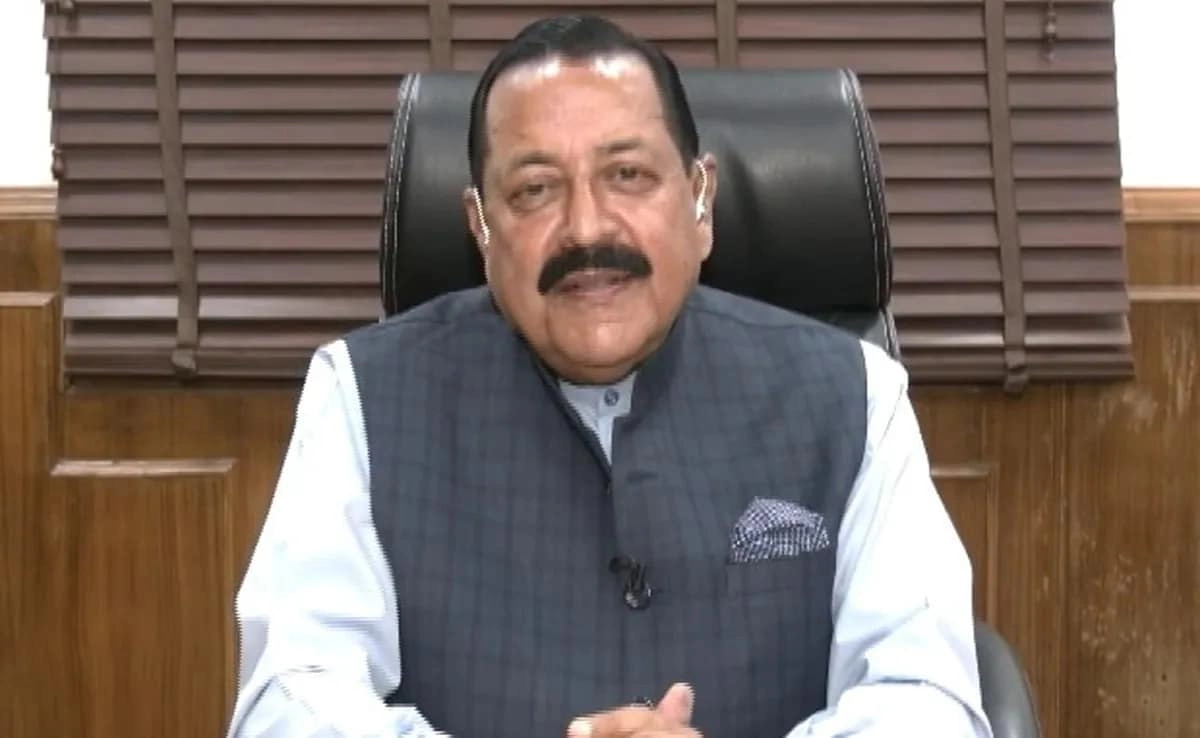
JP Nadda emphasized that visionary policies are the key to transforming the nation’s landscape. He believes that for any country to progress and develop, it is essential to implement forward-thinking strategies that address both current challenges and future opportunities. Nadda’s perspective highlights the importance of long-term planning and innovative approaches in governance, which can lead to sustainable growth and improvement in the quality of life for citizens.
In his statement, he underlined that merely responding to immediate issues is insufficient for substantial change. Instead, a comprehensive vision that encompasses various sectors such as health, education, infrastructure, and technology is crucial. By focusing on these areas, policymakers can create a robust framework that not only resolves existing problems but also anticipates and mitigates future challenges.
Moreover, Nadda pointed out that the involvement of the community and stakeholders is vital in the formulation of these policies. Engaging citizens in the decision-making process ensures that the policies are grounded in reality and cater to the actual needs of the population. This participatory approach can foster a sense of ownership among the people, motivating them to contribute positively to the nation’s development.
In conclusion, JP Nadda’s message is clear: to change the country’s image and elevate its status on the global stage, it is imperative to adopt visionary policies that reflect foresight, inclusivity, and innovation. By doing so, India can pave the way for a brighter, more prosperous future for all its citizens.