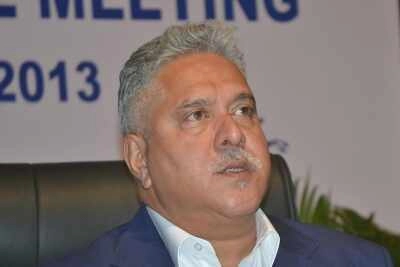
Vijay Mallya, the former liquor baron and businessman, has recently expressed his inability to return to India from England. This statement comes in light of ongoing legal proceedings against him in India, where he faces charges related to financial misconduct and defaulting on loans amounting to several billion rupees. Mallya has been living in the United Kingdom since 2016, after fleeing India amid allegations of financial irregularities linked to his now-defunct Kingfisher Airlines. His case has garnered significant media attention, highlighting issues related to economic offenses and the complexities of international law.
The Bombay High Court has taken note of Mallya’s declaration and has directed the Solicitor General of India to file a response regarding the legal implications of his inability to return. The court’s directive underscores the seriousness of the situation, as it seeks to understand the legal avenues available for addressing Mallya’s claims and the broader implications for justice in financial crimes. The court’s engagement reflects its role in ensuring that legal processes are upheld and that individuals facing charges can be held accountable, regardless of their location.
Mallya’s situation raises important questions about the enforcement of law across borders and the mechanisms available for extradition. The Indian authorities have been actively pursuing his extradition, citing the need for justice for the financial institutions affected by his alleged actions. This case not only highlights the challenges of dealing with high-profile economic offenders but also brings to the forefront the need for international cooperation in legal matters. As the Bombay High Court awaits a response from the Solicitor General, the outcome of this situation will likely have significant ramifications for similar cases in the future.