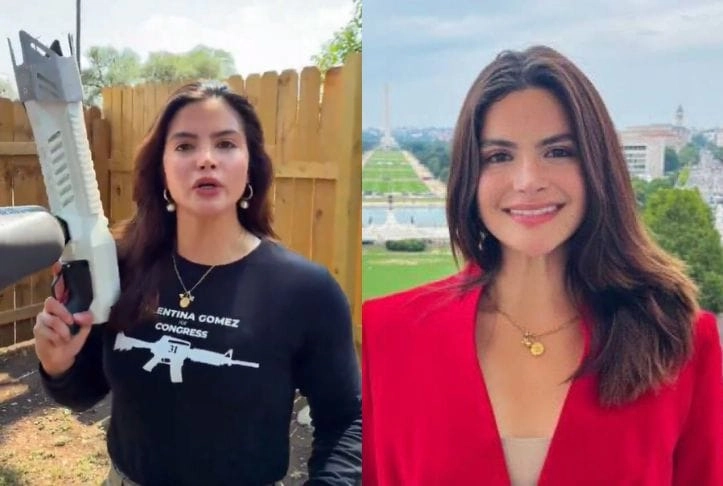
In a shocking display of provocation, a US politician has ignited controversy by publicly burning a Quran and sharing the video on social media. This act, intended as a statement against what he claims to be the negative influence of Islam, has drawn widespread criticism from various communities and organizations. The politician’s actions not only reflect a growing trend of Islamophobia in certain circles but also raise serious questions about the implications of such incendiary gestures on social cohesion and interfaith dialogue.
The video, which quickly went viral, shows the politician standing in front of a crowd, holding the Quran aloft before setting it ablaze. This deliberate desecration of a sacred text is seen by many as an attack not just on Islam but on the principles of tolerance and respect that underpin democratic societies. Critics argue that such actions incite hatred and division, exacerbating tensions between different religious and cultural groups. The backlash has been swift, with leaders from various religious and civic organizations condemning the act as an affront to peace and understanding.
In response to the outrage, some supporters of the politician have defended his actions as a form of free speech, arguing that he is exercising his right to express dissent against ideologies he perceives as harmful. However, this defense raises a critical debate about the limits of free speech and the responsibilities that come with it. While it is essential to protect the right to express differing viewpoints, many argue that promoting intolerance and hatred under the guise of free expression ultimately undermines the very fabric of democracy.
The incident has also sparked discussions about the role of political leaders in shaping societal attitudes. By engaging in such provocative actions, politicians can influence public sentiment, potentially leading to increased polarization and hostility. As communities grapple with the fallout from this event, there is an urgent need for dialogue and understanding. Building bridges rather than walls is crucial in a multicultural society, and it is imperative for leaders to foster environments that promote respect and coexistence among diverse beliefs. Ultimately, this episode serves as a reminder of the power of words and actions in a world that is increasingly interconnected yet fraught with division.