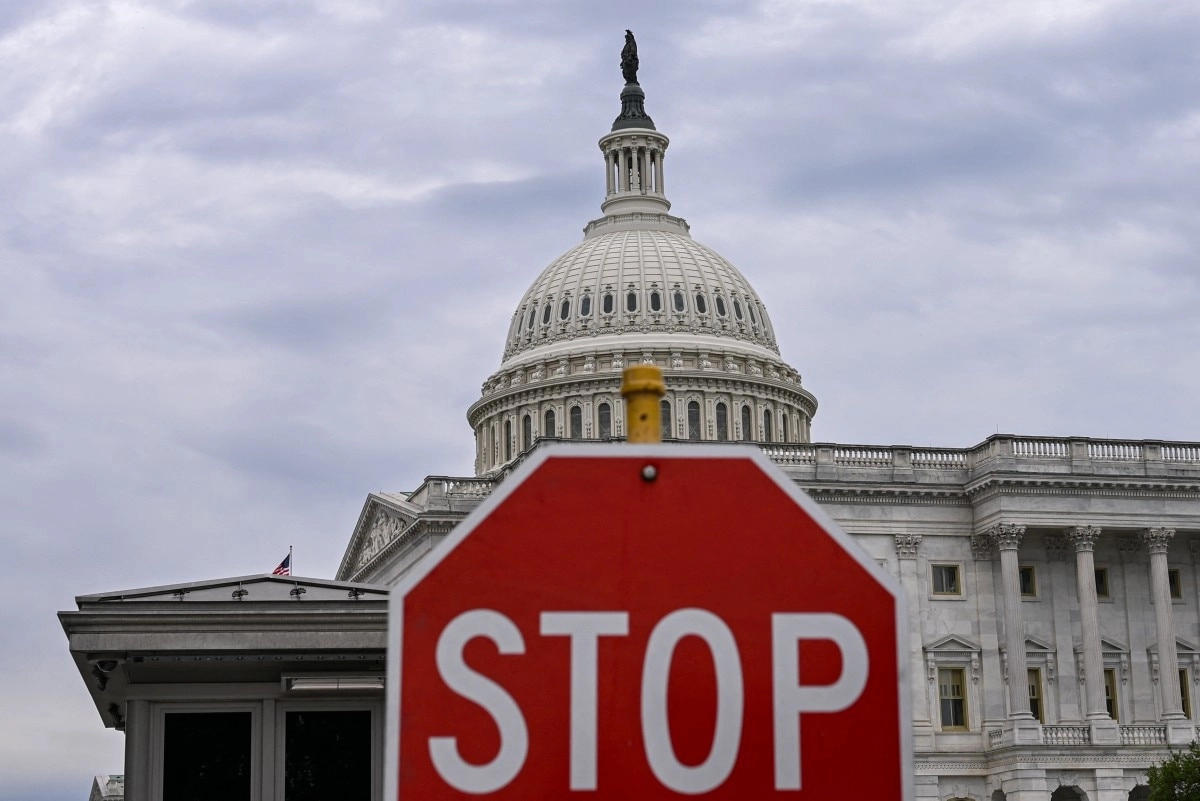
The U.S. government is on the verge of a shutdown as the Senate has rejected crucial funding bills that are essential for maintaining government operations. This impasse has emerged from ongoing partisan disagreements over budget allocations and spending priorities. Lawmakers in both parties have been grappling with issues such as defense spending, social programs, and immigration reform, leading to a deadlock that has raised concerns about the potential impact on various government services and employees.
As the deadline for funding approaches, the stakes have never been higher. A government shutdown could disrupt not only federal employees and their families but also countless services that millions of Americans rely on daily. Essential services, including those related to public safety, health care, and infrastructure, could face significant interruptions, leading to widespread frustration and economic repercussions. Additionally, many government workers may be forced into unpaid leave, exacerbating the financial strain on families dependent on steady income.
In the face of this looming crisis, both parties are under immense pressure to find common ground and develop a viable solution. Negotiations are intensifying, with party leaders seeking to address the core issues that have led to this stalemate. The consequences of a government shutdown can be severe, including delayed payments to contractors, halted public services, and a potential negative impact on the country’s credit rating. As discussions continue, the urgency for a resolution is palpable, with citizens and stakeholders eagerly watching for any signs of progress.
The political landscape is further complicated by the upcoming elections, as lawmakers weigh the potential ramifications of a shutdown on their constituents. With public sentiment often swayed by perceived governmental inefficiency, both parties are acutely aware that their actions—or inactions—could have lasting implications for their electoral prospects. The situation remains fluid, and as the deadline looms, the focus will remain on whether bipartisan cooperation can be achieved in order to avert a shutdown and ensure the continuity of government services.