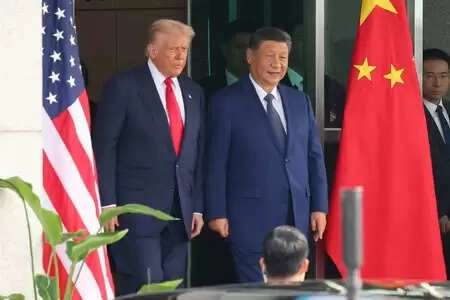
In April, President Trump will visit China, marking a significant diplomatic engagement between the two nations. This visit is expected to cover various pressing issues, including trade relations, security concerns, and climate change, among others. The discussions are anticipated to be crucial in shaping the future interactions between the United States and China, two of the world’s largest economies. With ongoing tensions regarding trade imbalances and tariffs, this visit could serve as a pivotal moment to address these challenges directly.
Later in the year, in a reciprocal gesture, Chinese President Xi Jinping is scheduled to visit the United States. This exchange of visits signifies a willingness from both leaders to engage in dialogue and foster a more cooperative relationship. Xi’s visit is expected to focus on various topics, including bilateral trade agreements, regional security dynamics, and potential collaborations on global issues such as environmental sustainability.
The timing of these visits is particularly noteworthy, as both leaders are navigating complex political landscapes within their respective countries. Trump’s administration has faced criticism regarding its approach to China, while Xi’s leadership has been under scrutiny for its handling of domestic and international issues. As both nations grapple with these challenges, the outcomes of these high-level meetings could have lasting implications not just for U.S.-China relations but also for global stability and economic prosperity.
Overall, the upcoming visits of both leaders could herald a new chapter in U.S.-China relations, emphasizing the importance of diplomacy and dialogue in addressing mutual concerns and fostering a more stable international environment.