
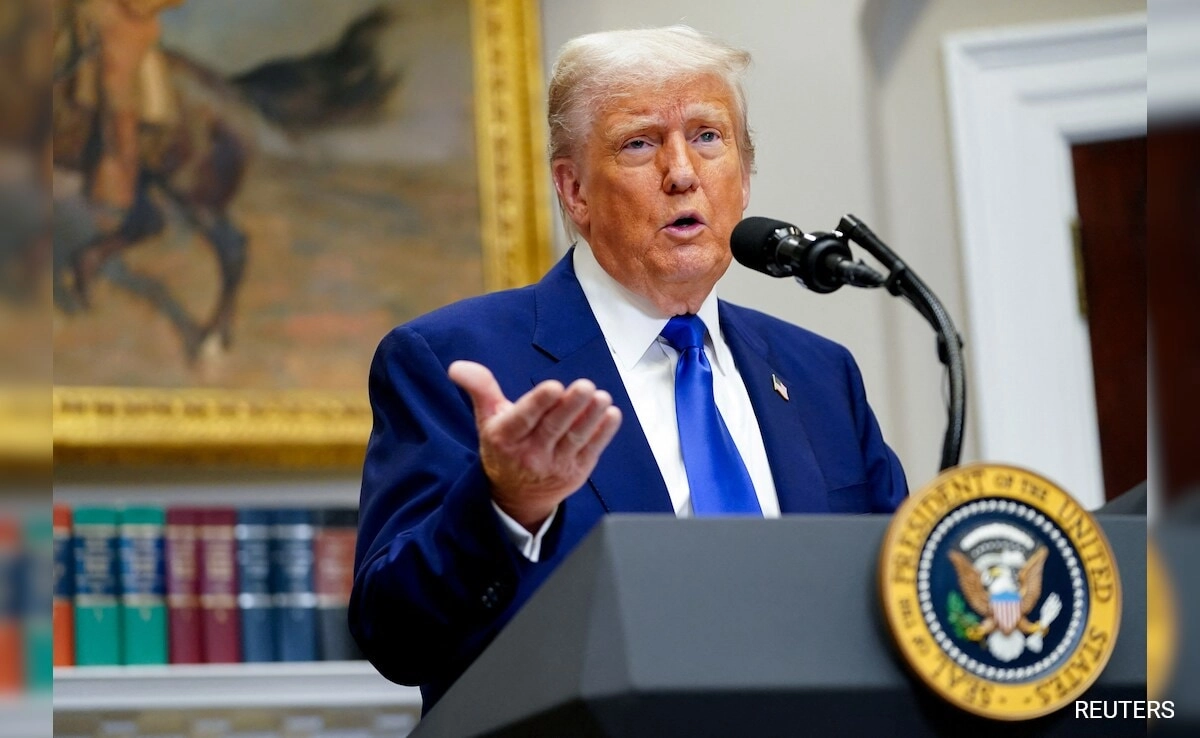
In a significant ruling, the U.S. Supreme Court has issued a decision that blocks former President Donald Trump’s deportation policies, marking a pivotal moment in the ongoing debate surrounding immigration in the United States. The ruling signifies a blow to Trump’s administration, which had implemented stringent measures aimed at reducing immigration and expediting the deportation process. The court’s decision emphasizes the importance of due process and the rights of individuals facing deportation, reinforcing the notion that immigration policies must adhere to the rule of law.
This ruling is particularly consequential as it reflects a growing concern among justices regarding the potential overreach of executive power in matters of immigration. It highlights the need for a balanced approach that considers both the security of the nation and the fundamental rights of individuals. Many advocates for immigrants have hailed the decision as a victory, arguing that it protects vulnerable populations from unjust deportation practices that have often been criticized for their harshness and lack of compassion.
The implications of this ruling extend beyond Trump’s administration, as it sets a precedent for future immigration policies and the limits of executive authority. As the debate on immigration continues to evolve, this decision serves as a reminder of the judiciary’s role in maintaining checks and balances within the government. The Supreme Court’s intervention indicates that significant changes in immigration policy must be thoroughly examined and justified, rather than enacted unilaterally.
As the nation grapples with the complexities of immigration reform, this ruling may influence public opinion and legislative action moving forward. It underscores the ongoing tensions between federal and state policies on immigration, as well as the challenges faced by lawmakers in crafting comprehensive solutions. In this context, Trump’s deportation policies have been viewed as emblematic of a broader struggle over the future of immigration in America, prompting renewed discussions about the values and principles that should guide the nation’s approach to those seeking refuge and opportunity within its borders.


