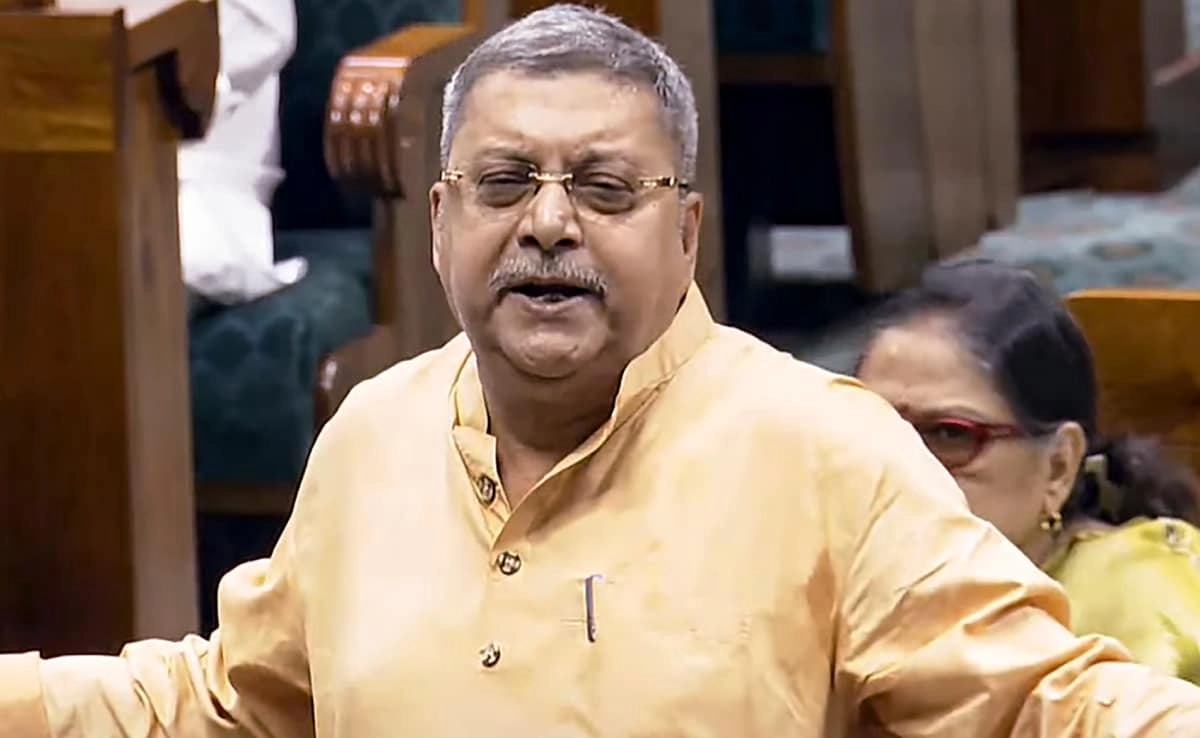
The political landscape in India is often fraught with tension, and recent comments made by an MP have ignited a fierce debate. The Trinamool Congress (TMC) party has taken a strong stance against remarks made by the MP regarding a sensitive issue involving rape. The TMC’s response highlights their commitment to addressing serious crimes and protecting victims, as they perceive the MP’s comments as an attempt to downplay the severity of such incidents. This conflict not only reflects the party’s outrage but also indicates broader issues of accountability and responsibility among public figures when discussing sensitive topics.
In a pointed rebuttal, the MP has clapped back at the accusations leveled by the TMC, asserting that his comments were misinterpreted and taken out of context. He argues that his intention was never to shield criminals but rather to foster a dialogue about the complexities surrounding such cases. This back-and-forth exemplifies the ongoing struggle between political parties to assert their narratives, particularly on issues that resonate deeply with the public and involve moral and ethical considerations.
The exchange underscores the challenges faced by politicians in navigating public discourse, especially on topics as charged as sexual violence. The TMC’s condemnation of the MP’s remarks suggests a broader commitment to advocating for victims’ rights and holding perpetrators accountable. Meanwhile, the MP’s defense raises questions about free speech and the responsibilities that come with political commentary. As the debate unfolds, it is clear that discussions surrounding rape and accountability will continue to be at the forefront of political dialogue in India.
As society grapples with these issues, the responses from political leaders can have significant ramifications. The TMC’s firm stance indicates a desire to align themselves with victim advocacy, while the MP’s insistence on his intentions speaks to the complexities of political communication. In a nation where the discourse around sexual violence is still evolving, such exchanges reflect the growing need for sensitivity and awareness among those in power. This incident may set the stage for future discussions on how political leaders address critical social issues, ensuring that they do not inadvertently contribute to the marginalization of victims or the minimization of serious crimes.