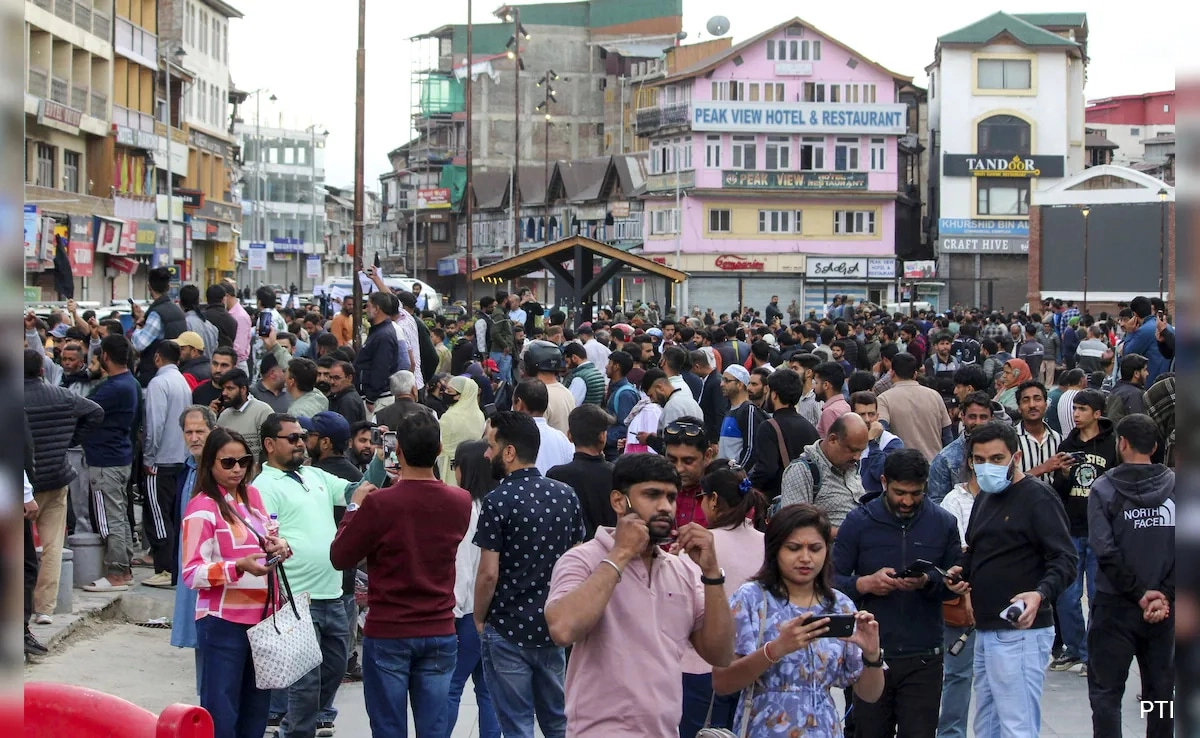
In the wake of a recent terror attack in Pahalgam, Kashmir, two tourists have expressed their deep concerns about safety in the region, stating emphatically that they will not return home. The attack, which shook the serene landscape of this popular tourist destination, has raised alarm among visitors and locals alike. The tourists, who were enjoying the breathtaking views and tranquil environment that Kashmir is known for, were left traumatized by the sudden violence that disrupted their peaceful holiday. Their experiences highlight a growing sentiment among travelers about the risks associated with visiting certain areas, especially those affected by ongoing conflict and unrest.
Despite the natural beauty and rich cultural heritage of Kashmir, the security situation remains precarious. The tourists shared their impressions, emphasizing that while they initially felt welcomed by the warmth and hospitality of the local people, the recent incident has overshadowed their experience. They described the stark contrast between the idyllic scenery and the harsh reality of violence that can erupt unexpectedly. The fear of potential danger has led them to reconsider their travel plans, reflecting a broader trend where safety concerns increasingly influence tourist decisions.
The sentiments of these tourists serve as a reminder of the fragile nature of peace in regions like Kashmir, where the tourism industry is heavily reliant on the perception of safety and stability. Local businesses and communities that depend on visitors for their livelihood are acutely aware of the impact such incidents can have on tourism. As the situation unfolds, it raises critical questions about how to balance the need for security with the desire to promote tourism in a region rich in natural beauty and cultural significance. The hope remains that through resilience and dialogue, the region can reclaim its status as a safe haven for travelers, allowing both the local population and tourists to thrive together in harmony.