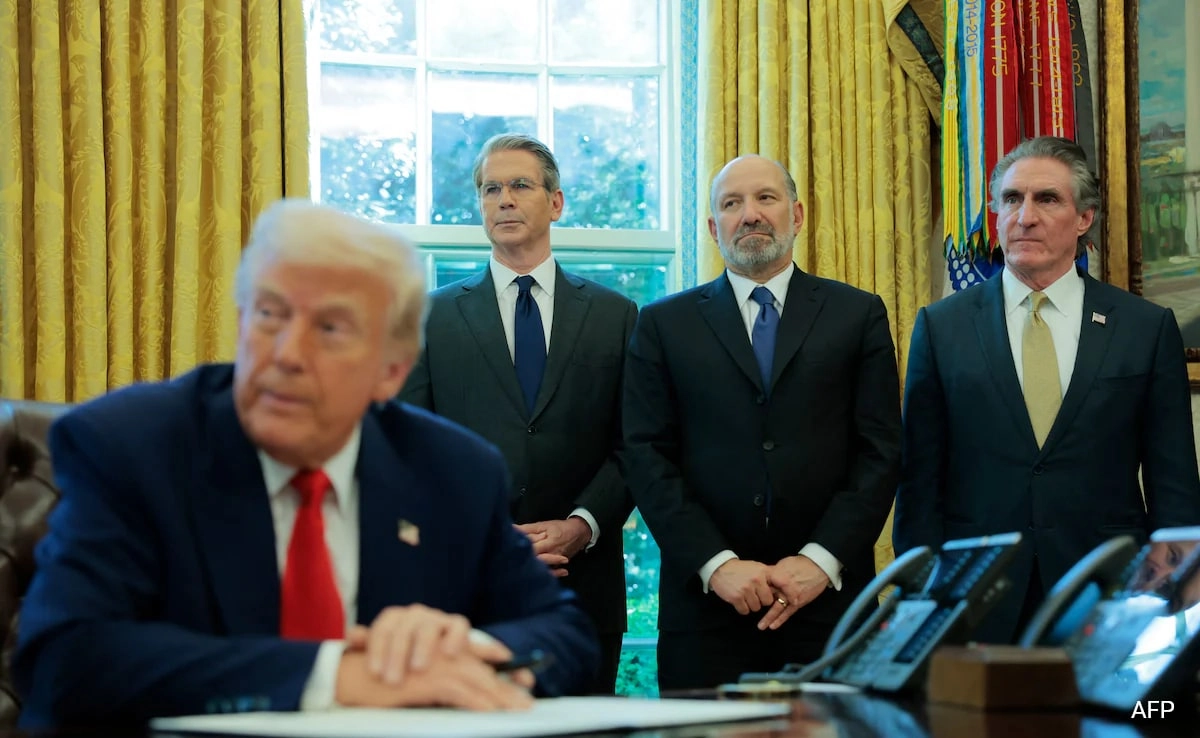
The Trump administration is reportedly considering further restrictions on the H-1B visa program, which allows U.S. companies to employ foreign workers in specialty occupations. This move comes on the heels of a significant fee hike, where the cost of obtaining an H-1B visa surged to $100,000. The implications of these changes are profound, as they could reshape the landscape of the American labor market and the technology sector, which heavily relies on skilled foreign labor.
The H-1B visa program has long been a point of contention in discussions about immigration policy. Proponents argue that it is essential for filling critical skill gaps in industries such as technology, engineering, and healthcare, where there is a shortage of qualified domestic candidates. Conversely, critics claim that it undermines American workers by allowing companies to hire cheaper foreign labor, ultimately leading to wage stagnation and job displacement for U.S. citizens. The proposed restrictions, coupled with the steep fee increase, may deter many employers from pursuing H-1B applications, thereby limiting opportunities for highly skilled foreign professionals seeking to work in the United States.
If implemented, these new measures could lead to a significant decrease in the number of H-1B visas issued each year, affecting thousands of foreign workers and their families. This could also have a cascading effect on the U.S. economy, particularly in sectors that depend on innovation and technical expertise. Companies may struggle to fill critical positions, potentially stifling growth and competitiveness in a global market. As the administration weighs its options, the potential fallout from these changes will likely prompt a renewed debate about the role of immigration in fostering economic growth and maintaining the United States’ position as a leader in technology and innovation.
As stakeholders on all sides of the immigration debate brace for potential changes, the business community is particularly concerned. Many tech companies have voiced their apprehensions about the restrictions, arguing that they could hinder their ability to attract top talent from around the world. With the current labor market already feeling the strain of a skills shortage, the prospect of more H-1B visa restrictions has raised alarms about the future of innovation in the U.S. and the ability of companies to remain competitive on a global scale.