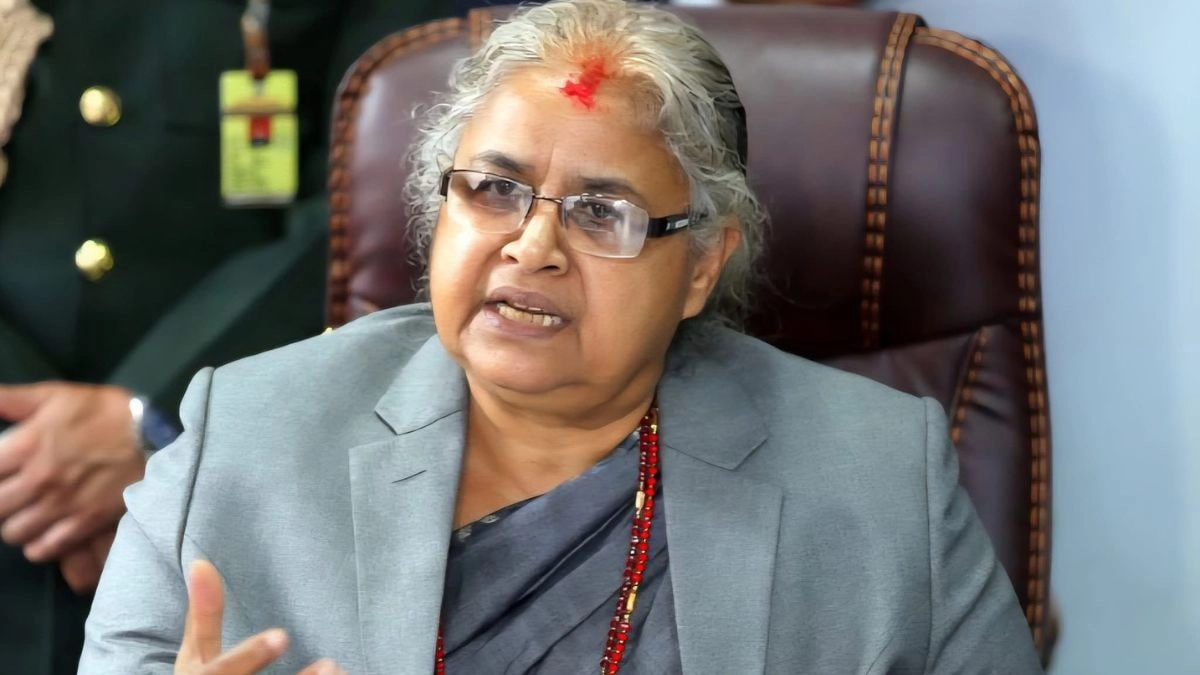
In the vibrant landscape of Nepal’s political arena, a significant choice is emerging for the nation’s Gen Z protesters, who find themselves at a crossroads between two prominent figures: Sushila Karki and Kulman Ghising. Each of these leaders brings a unique vision for the future of Nepal, resonating with the aspirations and frustrations of a generation eager for change. Sushila Karki, a former Chief Justice, symbolizes a commitment to justice and reform, advocating for accountability and transparency in governance. Her experience in the judiciary offers a promise of a fairer legal system, appealing to young activists who prioritize social justice and human rights. On the other hand, Kulman Ghising, known for his dynamic leadership in the energy sector, represents progress and innovation. His successful tenure in the Nepal Electricity Authority (NEA) has garnered him a reputation as a problem-solver capable of addressing the pressing issues of energy and infrastructure that resonate deeply with the youth.
As Nepal grapples with persistent challenges such as corruption, economic instability, and inadequate public services, the stakes are high for Gen Z voters. This cohort is increasingly vocal about their demands for a government that prioritizes their needs and concerns. The choice between Karki and Ghising reflects broader ideological divides within the movement, as some youth rally around the call for systemic change through judicial reform, while others lean toward practical solutions in governance and infrastructure development. The ongoing protests and discussions highlight the urgency of these issues, as young activists mobilize to ensure their voices are heard in shaping Nepal’s political future.
The decision between Sushila Karki and Kulman Ghising is not merely a matter of individual preferences; it embodies the hopes and dreams of an entire generation seeking to redefine their country’s trajectory. As the protests evolve, the dialogue surrounding these figures will likely influence not only the immediate political landscape but also the long-term aspirations of the youth. Whether it is Karki’s vision for a just society or Ghising’s approach to pragmatic governance, the outcome of this choice will set the tone for what Nepal can achieve in the coming years. Ultimately, the Gen Z protesters are not just choosing leaders; they are asserting their role in the democratic process, demanding a future that aligns with their values and aspirations, and challenging the status quo in a country ripe for change.