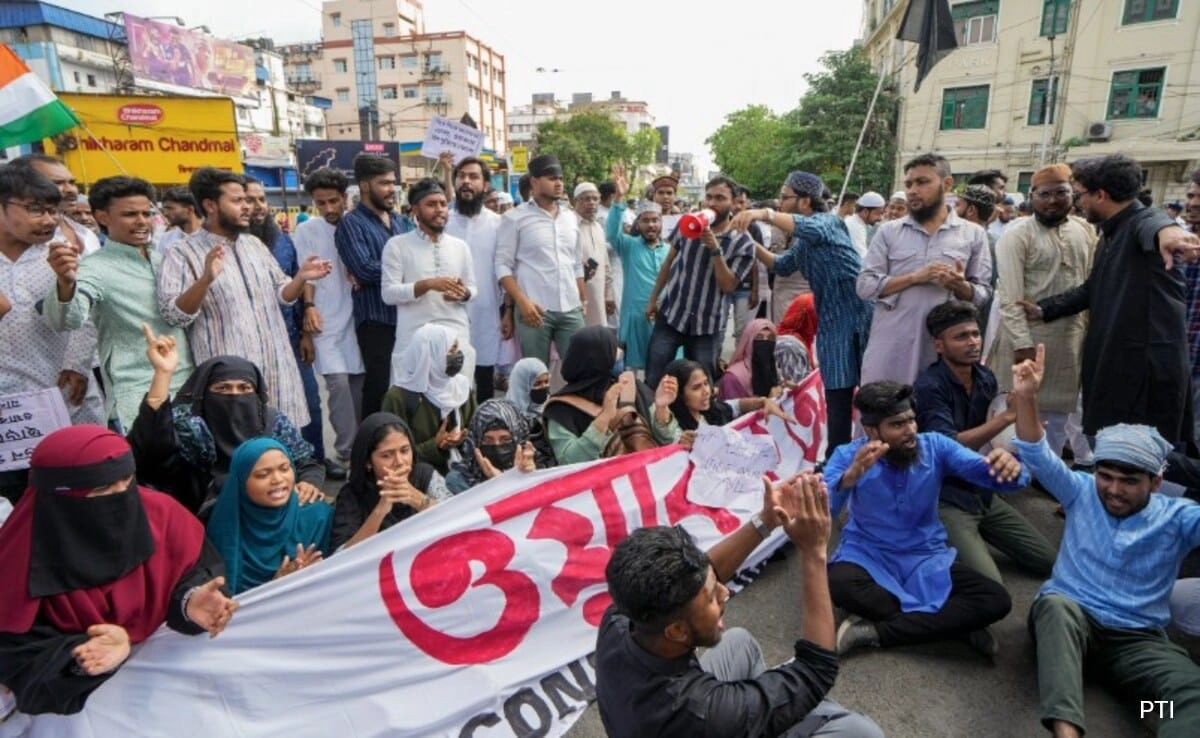
Today, the Supreme Court is set to hear significant challenges to the existing Waqf law, which governs the management and administration of charitable endowments in Islamic tradition. This examination comes at a crucial time, as various stakeholders, including religious organizations, legal experts, and community leaders, are keenly awaiting the outcome. The complexities surrounding Waqf properties have led to various disputes, necessitating a thorough legal review to ensure that the rights of all parties involved are protected while upholding the principles of Islamic charitable practices.
One of the primary concerns regarding Waqf law is the interpretation and implementation of its provisions. Critics argue that the existing framework may not adequately address contemporary issues, leading to conflicts over property management and usage. Additionally, there have been calls for clearer guidelines to prevent misuse of Waqf properties, which are meant for public benefit. The Supreme Court’s decision could potentially reshape the legal landscape, offering clarity on the responsibilities of Waqf boards and the rights of beneficiaries.
In this context, the Supreme Court’s deliberations will not only focus on the legal aspects but also consider the socio-economic implications of Waqf properties. These assets play a crucial role in supporting community welfare initiatives, education, and healthcare within Muslim communities. Therefore, any changes to the law must balance the need for effective governance with the overarching goal of ensuring that these assets continue to serve their intended purposes. As the court prepares to hear these challenges, the outcome may lead to pivotal reforms that could enhance the management of Waqf properties, ultimately benefiting the broader community.
Overall, the Supreme Court’s engagement with these challenges reflects a broader dialogue about the intersection of religious practices and modern legal frameworks. As the hearing unfolds, all eyes will be on the justices as they navigate the intricate balance between tradition and contemporary governance, potentially setting a precedent for how Waqf law is interpreted and enforced in the future. The implications of this decision reach far beyond the courtroom, impacting the lives of countless individuals who rely on the charitable contributions facilitated by Waqf properties.