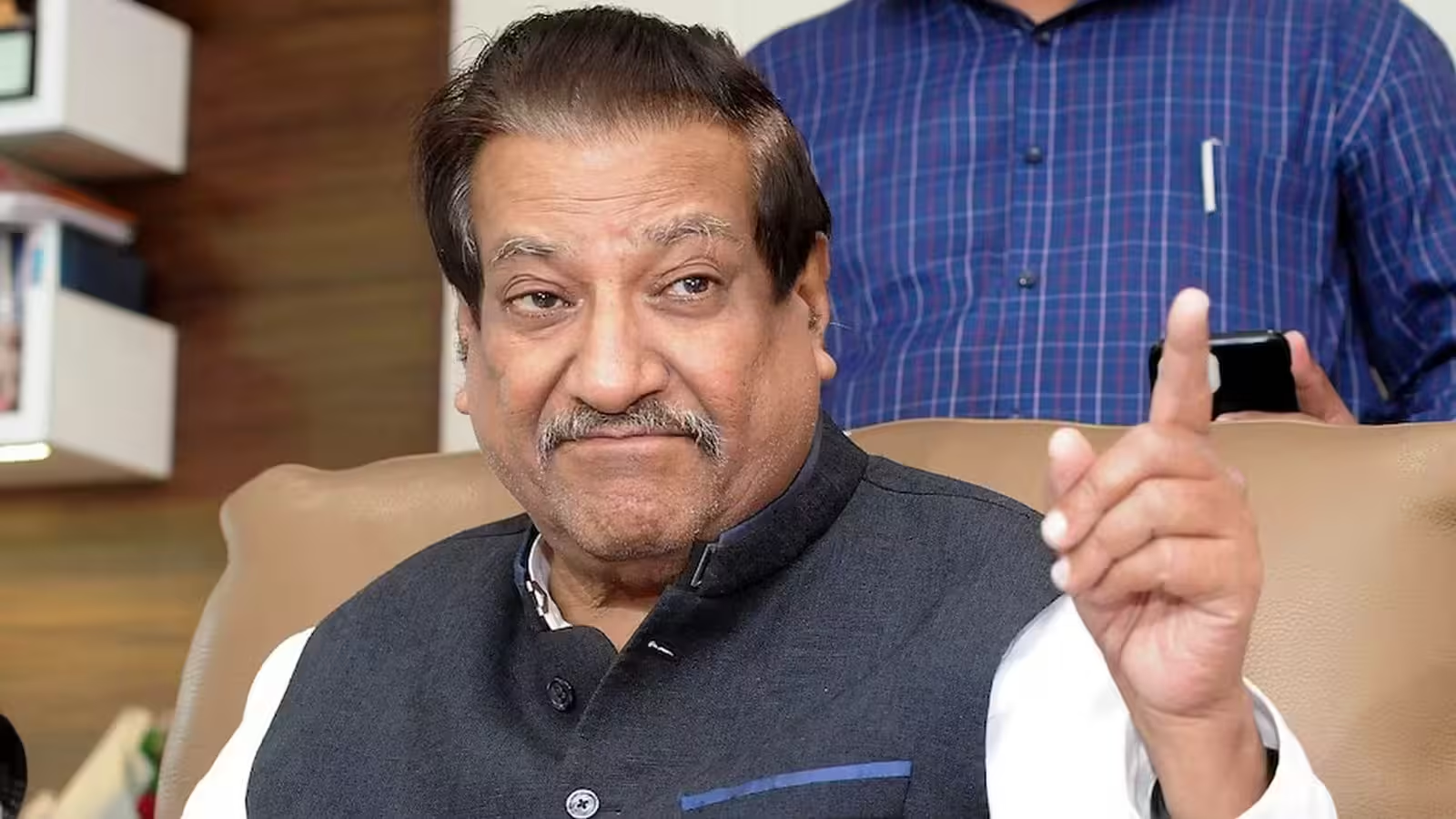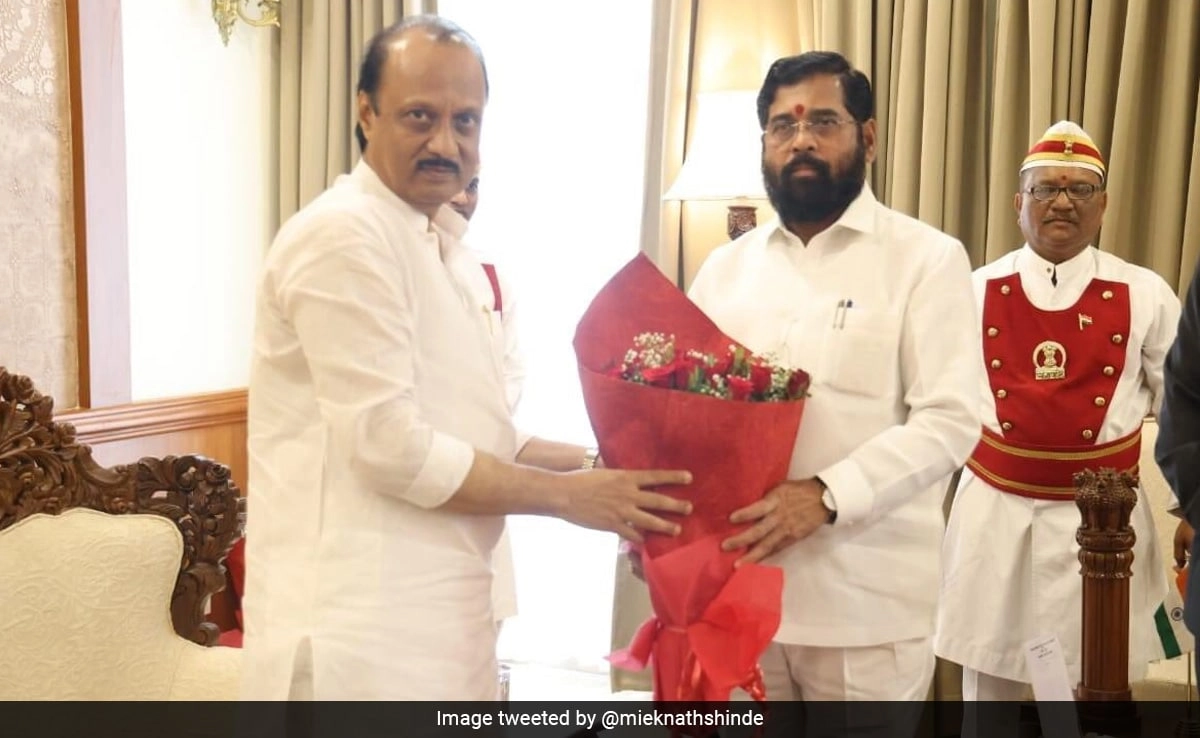
The political landscape in Maharashtra has recently been shaken by an escalating rift between two prominent leaders, Eknath Shinde and Ajit Pawar. This division has become increasingly evident as both Deputy Chief Ministers have noticeably avoided attending public events together, raising concerns about the stability of their alliance within the state’s government. The absence of coordinated appearances has sparked speculation among political analysts and the public alike, suggesting that underlying tensions may be affecting the functioning of the administration.
Eknath Shinde, representing the Shiv Sena party, and Ajit Pawar, a key figure in the Nationalist Congress Party (NCP), have historically collaborated on various initiatives aimed at addressing the pressing issues facing Maharashtra. However, recent developments indicate that their partnership is under strain, with each leader opting to pursue their own agendas rather than presenting a united front. The failure to attend joint events not only reflects personal disagreements but also has broader implications for governance and policy-making in the state.
The political implications of this rift can be significant, as both leaders command substantial influence within their respective parties and among their constituents. The Shinde-Pawar alliance was initially perceived as a strategic partnership that could enhance stability and promote cooperative governance in Maharashtra. However, the growing distance between them may lead to fragmented decision-making processes, potentially hindering the government’s ability to implement effective policies and respond to the challenges faced by the state’s populace.
Observers are closely monitoring this situation, as the dynamics within the government could shift dramatically if the rift deepens further. Political rivalries often have a cascading effect, influencing alliances and voter sentiments. As the situation evolves, it remains to be seen how Shinde and Pawar will navigate their differences and whether they can find common ground to work collaboratively. The political future of Maharashtra may hinge on their ability to reconcile their differences and restore a semblance of unity within the government.