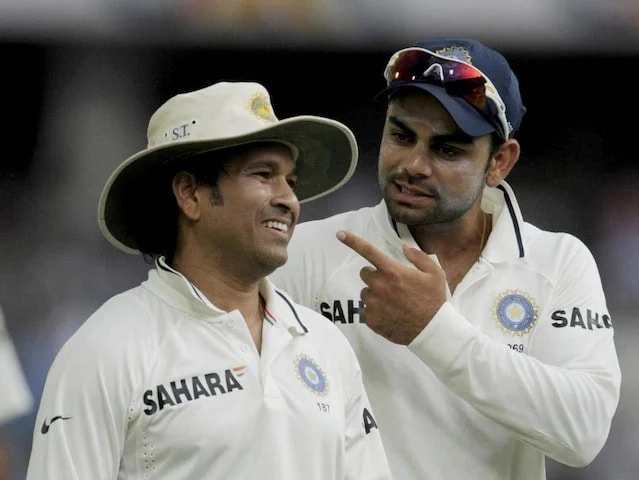
In a recent revelation that has sparked considerable debate among cricket enthusiasts, former Indian cricket team coach Ravi Shastri unveiled his list of the “5 Greatest Indian Cricketers.” Surprisingly, the list did not include iconic figures such as Sourav Ganguly, Rahul Dravid, and Anil Kumble, who have made indelible marks in the history of Indian cricket. This omission has led to a flurry of discussions and reactions from fans and commentators alike, questioning the criteria used to define greatness in a sport that has seen numerous legends.
Shastri’s choices reflect a personal interpretation of what it means to be among the greatest, emphasizing not just statistical achievements but also the impact on the game and the ability to inspire future generations. While many cricket lovers may agree with his selections, others believe that the exclusion of stalwarts like Ganguly, Dravid, and Kumble undermines their contributions to Indian cricket. Ganguly’s aggressive captaincy transformed the team’s outlook, Dravid’s technique and temperament set benchmarks for batting, and Kumble’s spin bowling revolutionized the art of leg-spin in India. Their absence from Shastri’s list raises questions about the subjectivity inherent in evaluating cricketing greatness.
The discourse surrounding Shastri’s list has reignited conversations about the evolution of Indian cricket and the players who have shaped its narrative. Fans and analysts are now revisiting the performances and legacies of those who were left out, perhaps advocating for a broader perspective that encompasses various eras and styles of play. This situation exemplifies the passion cricket invokes among its followers and underscores the importance of recognizing the multifaceted nature of greatness in sports. As such, it is essential to celebrate the contributions of all players who have donned the Indian jersey, acknowledging that greatness can take many forms and that the sport continues to thrive on the collective efforts of its players.
In conclusion, Shastri’s list may be a reflection of personal opinion, but it has opened a valuable dialogue about the definitions of greatness in cricket. The omissions of Ganguly, Dravid, and Kumble may have been unintentional, yet they serve as a reminder of the rich tapestry of Indian cricket history and the many players who have left an enduring legacy. As discussions persist, it becomes clear that the beauty of cricket lies in its ability to inspire diverse opinions and foster a sense of community among fans, players, and analysts alike.