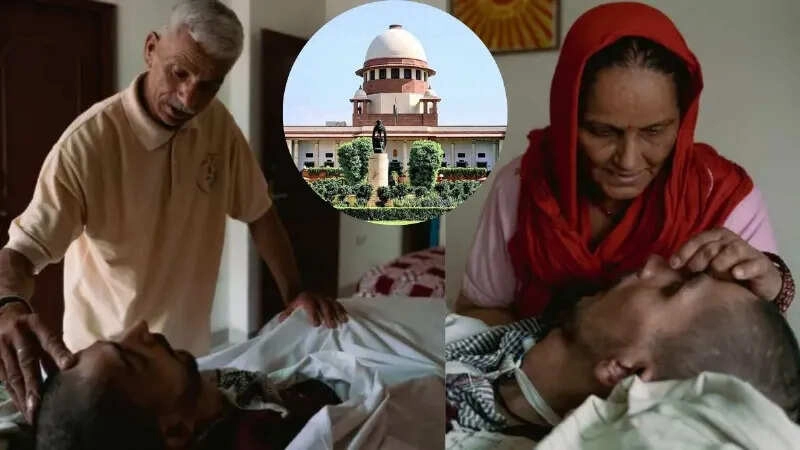
The poignant phrase “जिंदगी नहीं बस साँसे चल रही” translates to “Life is not just about breathing.” This sentiment resonates deeply with the case of Harish, who has been in a state of unconsciousness for the past 12 years. His situation raises profound ethical and moral questions about the nature of life and the rights of individuals in such circumstances. The Supreme Court of India is set to deliberate on whether to grant permission for euthanasia, a decision that holds significant implications for Harish’s family and society at large.
Harish’s family has been grappling with the emotional and financial burdens of his prolonged condition. They are faced with the heart-wrenching dilemma of watching a loved one exist in a state devoid of awareness and interaction. The legal battle has brought to the forefront discussions about the right to die with dignity and the conditions under which euthanasia should be permitted. Advocates argue that individuals should have the autonomy to choose their fate, especially when faced with irreversible medical conditions that lead to endless suffering.
As the Supreme Court prepares to make its ruling, the case has ignited a broader conversation about life, death, and the ethical implications of medical interventions. Many are reflecting on what it means to truly live, as opposed to merely existing. The outcome of this case could set a precedent for future discussions around euthanasia in India, influencing how society views life, dignity, and the right to make personal choices in the face of debilitating health challenges.