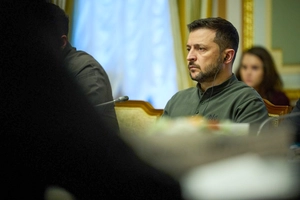
On Wednesday, a significant round of trilateral talks is set to take place involving Russia, Ukraine, and the United States. This dialogue comes at a critical juncture in the ongoing conflict between Russia and Ukraine, which has not only affected the two nations but also has broader implications for international relations and global security. The discussions aim to address pressing issues stemming from the conflict, including territorial disputes, humanitarian concerns, and the potential for future cooperation or conflict resolution.
The involvement of the United States in these talks underscores its role as a key player in the international arena, particularly in relation to Eastern Europe. The U.S. has been actively supporting Ukraine through various means, including military aid and diplomatic backing, while simultaneously imposing sanctions on Russia to deter its aggressive actions. This trilateral meeting is expected to focus on finding common ground and exploring pathways to de-escalate tensions, which have escalated since the onset of hostilities.
The outcomes of these discussions could have far-reaching consequences, not only for the parties directly involved but also for global stability. The international community is watching closely, as any agreements or disagreements arising from the talks could influence future diplomatic relations and strategies. Additionally, the humanitarian impact of the conflict remains a pressing concern, with millions of people affected by the ongoing violence and displacement.
As the talks unfold, the world awaits to see whether there will be movement towards peace or if divisions will further entrench the conflict. The stakes are high, and the success of these negotiations could pave the way for a resolution or, conversely, lead to an escalation of hostilities. The trilateral dialogue is not just about resolving the Russia-Ukraine issue; it is also a test of international diplomacy and the ability of nations to come together to address complex global challenges.