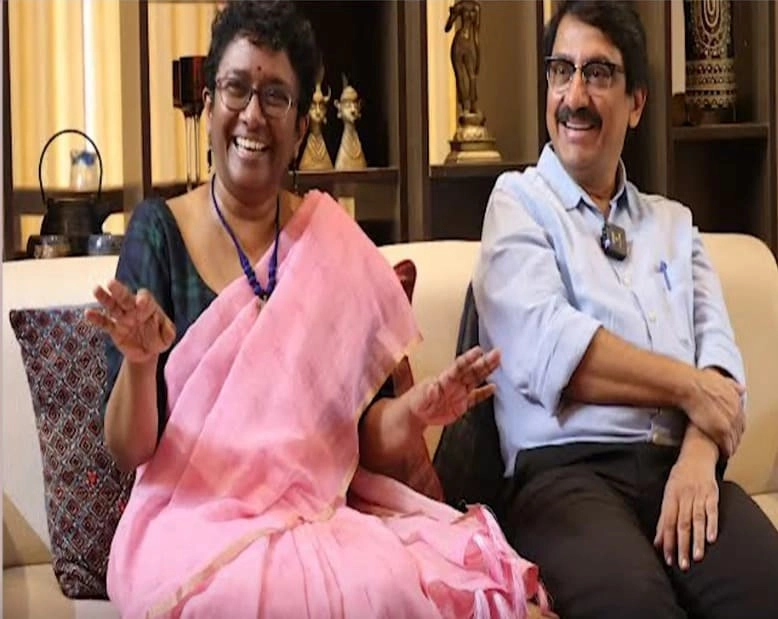
In a thought-provoking statement made to NDTV, a Kerala bureaucrat emphasized the need to redefine and recontextualize the term “Black” within contemporary society. The bureaucrat argued that the word has historically been laden with negative connotations and stereotypes that perpetuate a narrow understanding of identity and culture. By initiating a dialogue around the meaning of “Black,” there is an opportunity to challenge existing narratives and celebrate the richness and diversity associated with it.
The bureaucrat’s remarks highlight the importance of language in shaping our perception of race and identity. In many societies, particularly in the West, “Black” has been used to categorize individuals in ways that often strip away their individuality and cultural heritage. This bureaucratic perspective calls for a collective effort to reclaim the term, transforming it from one that has been used to marginalize into one that embodies strength, resilience, and a rich cultural legacy. Such a redefinition could foster greater inclusivity and understanding across different communities.
Moreover, the bureaucrat suggests that this initiative is not merely about words, but rather a broader societal shift that encourages individuals to engage in meaningful conversations about race, identity, and belonging. By redefining “Black,” it becomes possible to dismantle stereotypes and promote a more nuanced understanding of the experiences of Black individuals. This shift could have far-reaching implications, influencing everything from education to policy-making, ultimately creating a more equitable society where everyone is celebrated for their unique identities.
In essence, the call to re-write what “Black” means resonates deeply in today’s global context, where issues of race and identity are at the forefront of societal discourse. The bureaucrat’s insights serve as a reminder that language is a powerful tool that can either perpetuate division or foster unity. By embracing a more inclusive definition of “Black,” we can pave the way for a future that values diversity and encourages a deeper appreciation of the various cultural narratives that enrich our world. This redefinition is not just a matter of semantics; it is a crucial step towards achieving social justice and equality for all.