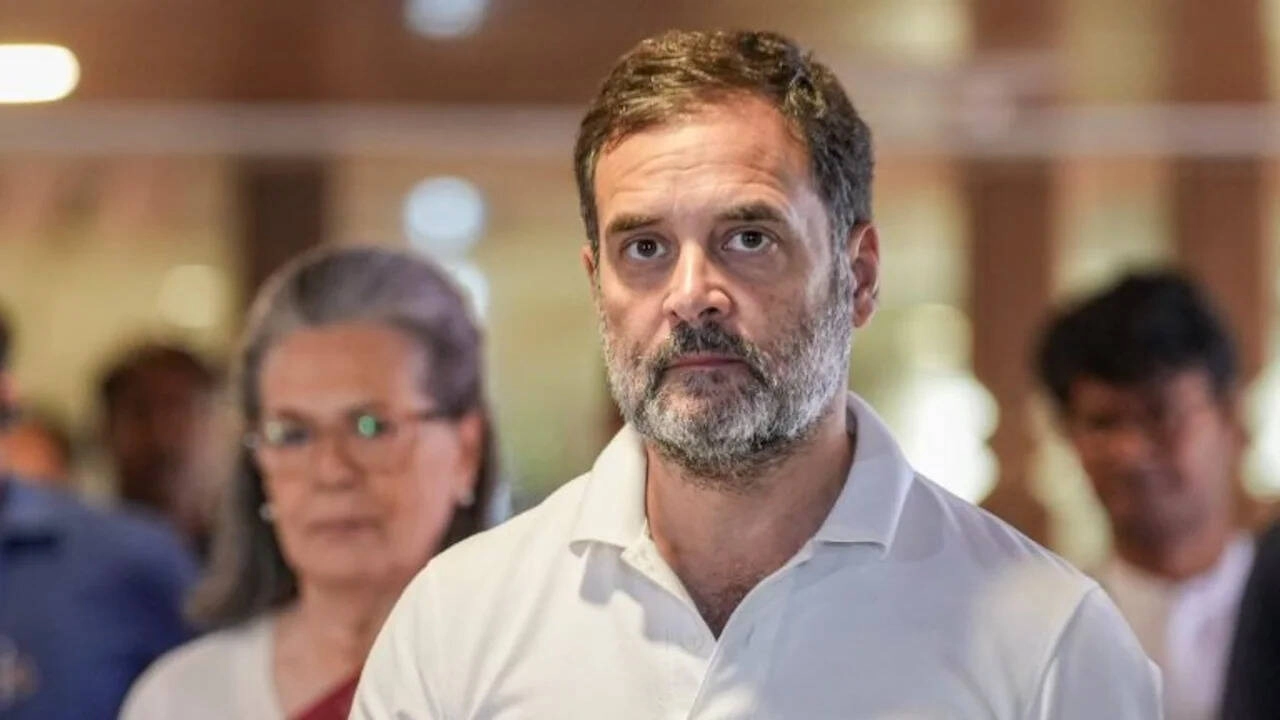
Rahul Gandhi’s changed demeanor and new strategy have sparked discussions about their potential impact on the electoral equations for the 2026 elections. Over the years, Rahul has faced significant criticism for his leadership style and political approach. However, recent developments indicate a shift in his tactics, which could significantly alter the political landscape. His renewed focus on grassroots engagement and a more assertive public presence suggest that he is keen on revitalizing his party’s image and reconnecting with the electorate.
One of the notable aspects of Rahul’s new strategy is his emphasis on addressing key issues that resonate with the common populace. By prioritizing topics such as unemployment, inflation, and social justice, he aims to align his party’s agenda with the concerns of the average citizen. This could potentially help him garner support from a broader demographic, including young voters who are increasingly disillusioned with traditional political narratives. His approach also seems to reflect an understanding of the changing dynamics in Indian politics, where voters are more inclined to support leaders who demonstrate empathy and a genuine commitment to addressing their grievances.
Moreover, Rahul’s recent collaborations with regional leaders and alliances indicate a strategic shift towards building a more cohesive opposition front. By fostering unity among various parties, he aims to challenge the dominance of the ruling party effectively. This coalition-building strategy could play a crucial role in reshaping the electoral landscape, especially in states where regional parties hold significant sway. If successful, this could not only bolster his party’s chances in the 2026 elections but also reinvigorate the opposition’s overall standing in Indian politics.
In conclusion, Rahul Gandhi’s revamped persona and strategic approach could have far-reaching consequences for the upcoming elections. By addressing pressing issues, engaging with the electorate more effectively, and fostering alliances, he is positioning himself and his party to make a significant impact in the political arena. As the 2026 elections approach, observers will be keenly watching how these changes influence voter sentiment and the overall electoral dynamics in the country.