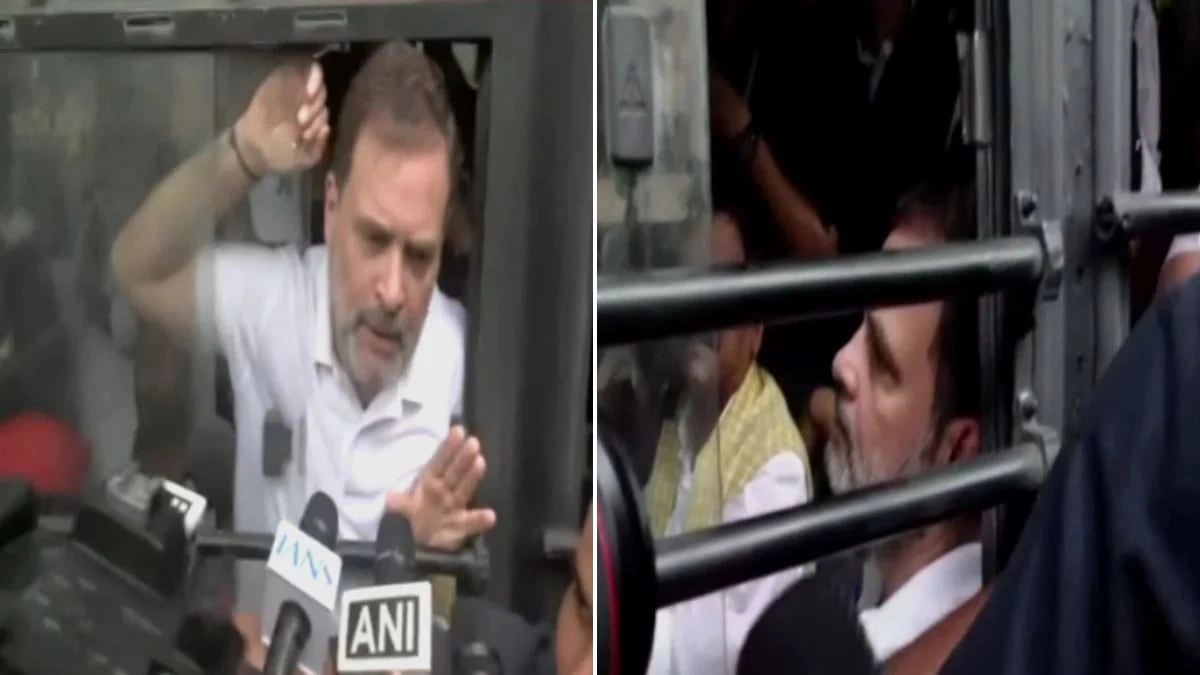
In a significant development in Indian politics, Rahul Gandhi, along with several opposition leaders, was detained by police during a protest march aimed at highlighting concerns over the functioning of the Election Commission of India (ECI). The march was organized to address what the opposition parties perceive as an erosion of democratic values and the integrity of the electoral process in the country. This incident underscores the growing tensions between the ruling party and the opposition, as well as the critical role that electoral bodies play in maintaining the democratic fabric of the nation.
The protest was sparked by allegations that the ECI has been acting in favor of the ruling party, undermining the fairness of upcoming elections. Opposition leaders, including members from various parties, have accused the government of manipulating electoral processes to secure an unfair advantage. They argue that a transparent and impartial election commission is essential for upholding democracy, and any perceived bias could jeopardize the legitimacy of future elections. This incident is not just a moment of confrontation but reflects broader concerns about the state of democracy in India.
As the situation unfolded, police intervened to prevent the march from proceeding, leading to the detention of several leaders, including Gandhi. The police cited public safety and order concerns as reasons for their actions, but the opposition has raised questions about the appropriateness of such measures in a democratic society. The detentions have sparked widespread outrage and condemnation from various quarters, prompting discussions on the right to protest and the limits of state power. This clash has amplified calls for electoral reforms and greater accountability within the ECI.
The incident also highlights the growing polarization in Indian politics, where protests have become a common means for opposition parties to voice their dissent against the ruling government. In recent years, the political landscape has shifted dramatically, with increasing scrutiny on how power is wielded and the implications for civil liberties. As the country approaches critical elections, the actions of the police and the responses from political leaders will likely continue to shape the national discourse and influence public sentiment.
In light of these events, it remains to be seen how the opposition will navigate the challenges posed by the ruling party and the implications for future electoral processes. The discourse surrounding the integrity of the Election Commission and the right to peaceful assembly is expected to remain at the forefront of political discussions. Ultimately, the fate of these protests and their impact on the political landscape will be closely monitored by both supporters and detractors, as India grapples with the complexities of maintaining a robust democracy in an increasingly contentious environment.