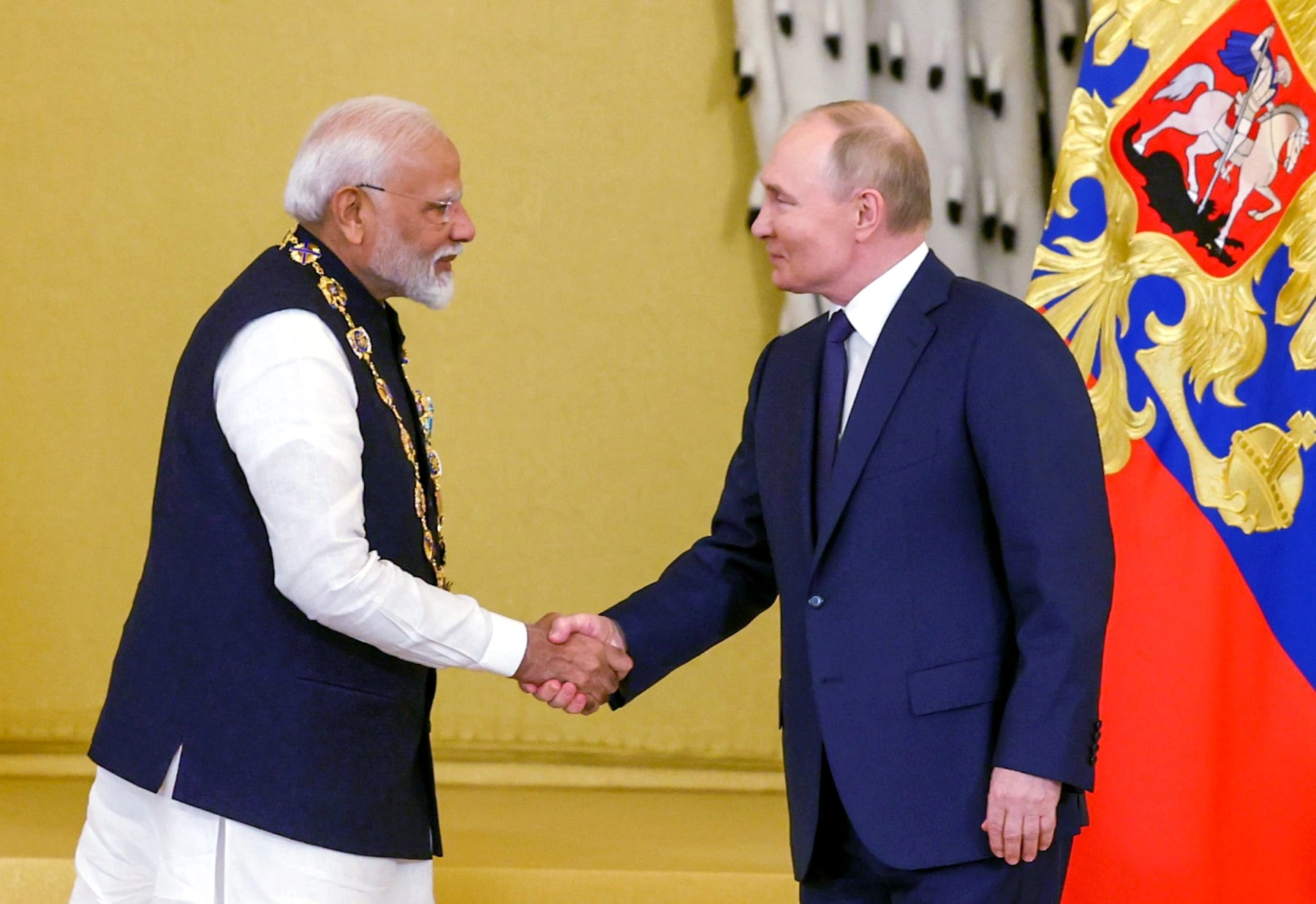
Russian President Vladimir Putin is set to visit India later this year, marking an important diplomatic engagement between the two nations amidst a backdrop of intensified geopolitical tensions. This visit comes at a time when U.S. President Donald Trump is actively targeting countries that continue to engage in trade with Russia, particularly focusing on those importing Russian oil. The implications of these developments are significant not only for India and Russia but also for global energy markets and international relations.
Putin’s visit is expected to reinforce the longstanding ties between India and Russia, which have historically been characterized by strong defense, trade, and strategic partnerships. As the U.S. seeks to exert its influence and pressure nations to comply with its sanctions against Russia, India finds itself navigating a complex landscape. The country’s reliance on Russian military hardware and energy resources complicates its position, as it balances its relationships with both Russia and the United States. This diplomatic balancing act is crucial for India as it seeks to maintain its sovereignty while also ensuring its energy security.
The timing of Putin’s visit is particularly noteworthy, given the recent challenges posed by the ongoing conflict in Ukraine and the subsequent global economic ramifications. As nations reevaluate their energy dependencies, India’s relationship with Russia becomes even more critical. The visit could pave the way for discussions on expanding energy cooperation, including potential initiatives to stabilize oil markets amid fluctuating prices. Additionally, it may also lead to renewed commitments in defense and technology transfers that have long been a cornerstone of the Indo-Russian partnership.
In contrast, Trump’s administration has adopted a more aggressive stance towards nations that continue to rely on Russian oil, framing it as a national security concern. This approach has prompted various countries to reassess their energy strategies and alliances. For India, the challenge will be to uphold its strategic interests while addressing the pressures from the U.S. and other Western nations. The outcome of these engagements could significantly shape the future of global energy dynamics and international relations, highlighting the intricate web of alliances and dependencies that define today’s geopolitical landscape.